Key facts
- President Donald Trump signed an executive order to separate combination vaccines like MMR into individual shots.
- The order also suggests spacing out vaccine appointments.
- Health experts state there is no scientific basis for this change and it represents bad public health policy.
- Implementing the order would require drugmakers to revive decades-old individual vaccines and build new manufacturing plants.
- These changes are estimated to take years and cost tens of millions of dollars.
- Splitting the MMR vaccine would increase the number of required doctor's visits for parents.
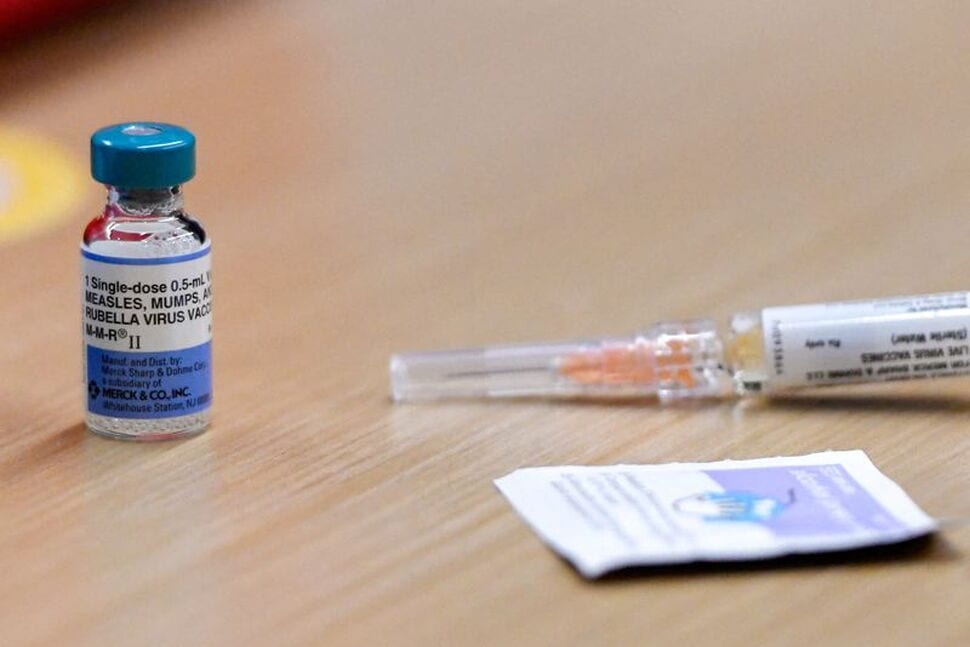
President Donald Trump has signed an executive order aimed at altering the U.S. childhood vaccination schedule, specifically calling for the separation of combination vaccines like the measles, mumps, and rubella (MMR) shot into individual injections and spacing out appointments. Public health experts have strongly criticized the order, stating there is no scientific basis for such a change and that it would constitute poor public health policy.
The practical implementation of the order faces significant financial and logistical challenges. Drugmakers would need to revive individual vaccines that have not been widely used in the U.S. for decades and invest tens of millions of dollars in new studies and manufacturing facilities to produce millions more doses. Experts estimate this process could take years.
Currently, the MMR vaccine is a combination shot administered in two doses. Splitting it into three individual vaccines would increase the number of required doctor's visits from two to six, potentially leading to more missed appointments and lower overall vaccination rates. Pharmaceutical companies Merck and GSK have stated they stand by the safety and effectiveness of their current combination products, with Merck noting a lack of published scientific evidence supporting the separation of the MMR vaccine.