Key facts
- Donald Trump is proposing federal tax incentives for U.S. film and TV production.
- This initiative is a shift from his prior proposal of imposing tariffs on foreign-made movies.
- The plan aims to support the American entertainment industry and create jobs.
- Actor Jon Voight, appointed by Trump as Special Ambassador to Hollywood, advocated for the incentives.
- Some Republicans may object to the incentives, viewing them as subsidies for liberal Hollywood.
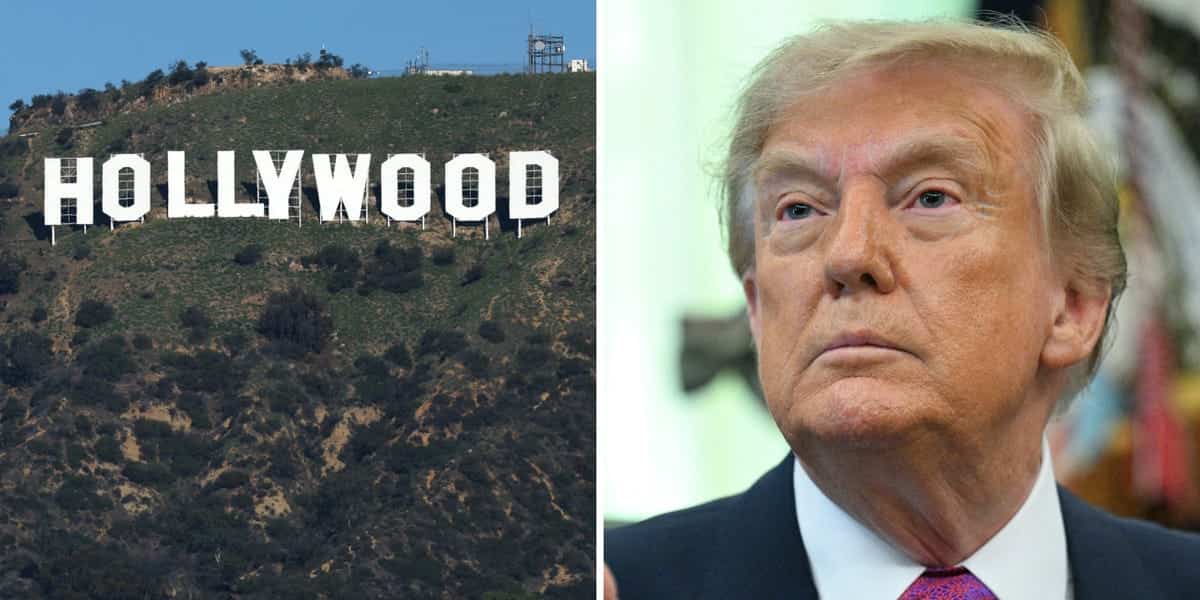
President Donald Trump is now advocating for federal tax incentives to encourage the production of movies and television shows within the United States, a significant shift from his previous proposal of imposing tariffs on foreign-made films.
Trump announced his support for the incentive plan following conversations with actor Jon Voight, whom he appointed as his "Special Ambassador to Hollywood." The president stated on social media that he would urge both Republicans and Democrats to collaborate on legislation to support the American entertainment industry, which has been impacted by the pandemic, labor strikes, and the migration of productions to countries offering more generous incentives.
Industry experts, such as Paul Hardart, an entertainment industry professor at NYU, view the production incentive positively, contrasting it with Trump's earlier tariff idea. Michael J. Wolf, CEO of Activate Consulting, noted that such incentives could support a wide range of businesses beyond Los Angeles, including hotels and restaurants.
Trump's prior proposal in May for a "100% Tariff" on foreign-made movies faced logistical challenges and confusion regarding enforcement. Netflix co-CEO Ted Sarandos indicated he had discussed the disruptive potential of such tariffs with Trump. Hardart described the shift from tariffs to incentives as moving "from a stick mentality to carrots."
However, the proposed incentives may encounter political hurdles. Some Republicans, like Congresswoman Nicole Malliotakis, have expressed concerns about providing tax rebates for high-earning talent, viewing it as a potential "giveaway to liberal Hollywood." Trump is attempting to frame the initiative as a job creator that will benefit all Americans, particularly blue-collar workers.
Arguments for the incentives also include strengthening a crucial American industry against tech giants and preparing for the rise of AI-generated content. Key considerations for the program's success include ensuring the incentives are substantial enough to influence production decisions, predictable for financing, and structured to benefit American workers, rather than subsidizing projects already slated for domestic production.