Key facts
- US aluminum product manufacturer Shapes Unlimited faces millions in extra annual costs due to President Donald Trump's tariffs.
- The conflict with Iran has further increased shipping expenses for US companies.
- Global oil flows through the Strait of Hormuz were reduced by 17.2% in early 2026 due to the Iran war.
- The price of West Texas Intermediate (WTI) crude oil reached $116.26 per barrel on April 7, a 73.9% increase since the war began.
- Asian countries, which bought 90% of oil passing through the Strait of Hormuz, are experiencing shortages and increased prices for products like gas canisters and jet fuel.
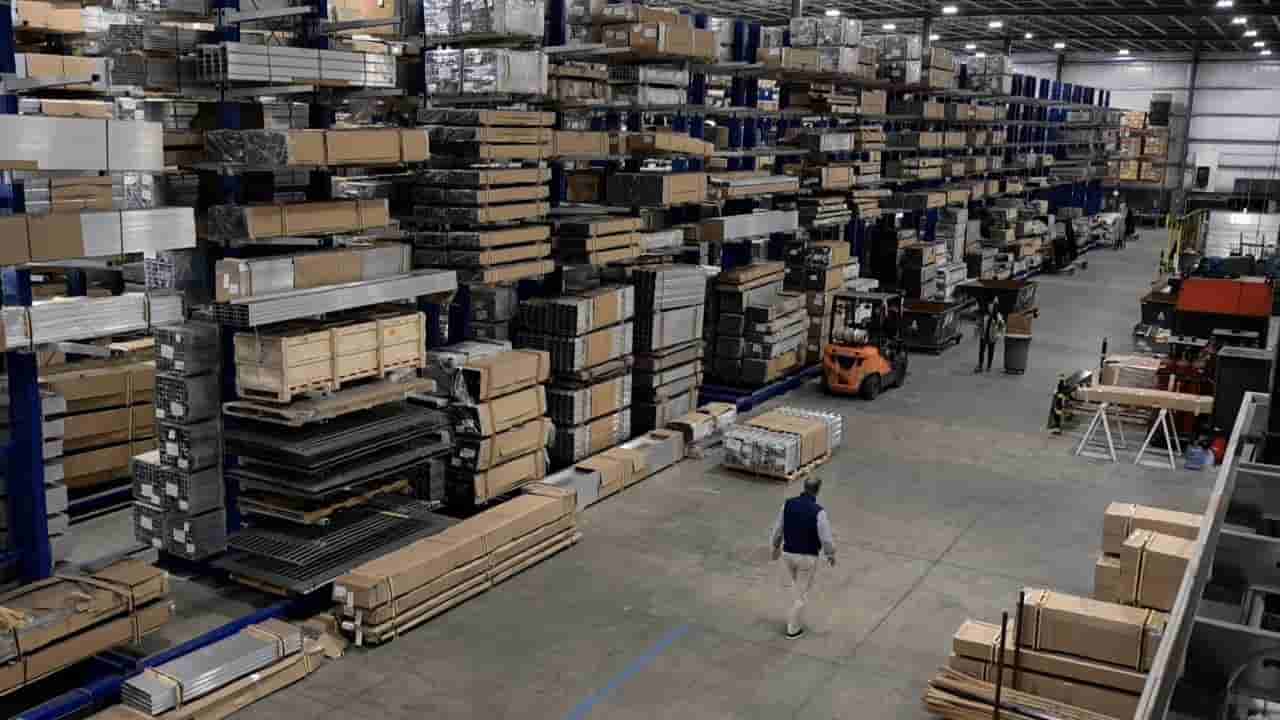
US companies are grappling with escalating costs driven by President Donald Trump's economic policies, including tariffs and the recent conflict with Iran. Doug Rende, CEO of Ohio-based aluminum product manufacturer Shapes Unlimited, stated that these tariffs have resulted in millions of dollars in additional annual costs. The war in Iran has further exacerbated shipping expenses for American businesses.
The economic repercussions of Trump's war with Iran are significant, though the full extent remains uncertain. Federal Reserve Chair Jerome Powell acknowledged this uncertainty in mid-March, stating that the economic effects could be larger or smaller than anticipated. However, by mid-April, the costs were described as devastating, impacting the global and US economies.
Disruptions to oil tanker traffic through the Strait of Hormuz, a critical route for about one-fifth of the world's oil supply, have been a major consequence. In January and February 2026, global oil flows averaged 106.9 million barrels per day. Following the war's commencement, disruptions reduced shipments by 18.5 million barrels per day, or 17.2%. Despite mitigation efforts, a net shortage of 11.1 million barrels per day, or 10.3%, persisted, exceeding shortages seen in previous global oil crises.
Asian countries, which are major importers of oil from the Strait of Hormuz, have been particularly hard-hit. Shortages have led to increased prices for essential goods like gas canisters in India and prompted airlines in South Korea, Japan, and India to demand fuel surcharges. Petrochemical producers in South Korea and China have also reduced operations due to rising fuel costs.