Key facts
- Duane "Keffe D" Davis is on trial in Las Vegas for the 1996 murder of Tupac Shakur.
- Opening statements began Monday.
- Prosecutors claim Davis masterminded the shooting as retaliation for an assault on his nephew, Orlando Anderson.
- Davis co-authored a book in which he claimed to have been in the car when Shakur was shot and to have "tossed" the weapon.
- If convicted, Davis faces life in prison without parole.
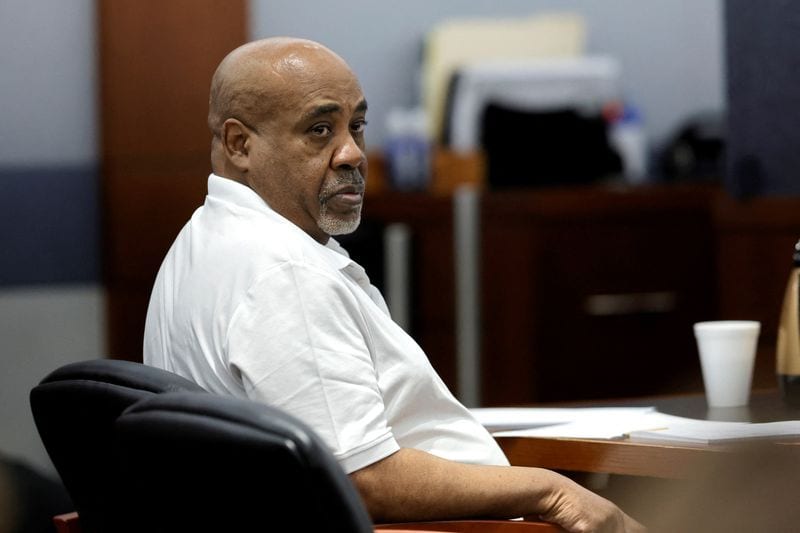
The trial of Duane "Keffe D" Davis, accused of orchestrating the 1996 murder of rapper Tupac Shakur, has commenced in Las Vegas. Opening statements began Monday, marking a significant step in a case that has remained a cultural mystery for nearly three decades.
Prosecutors allege that Davis, a 63-year-old former gang boss, masterminded Shakur's killing as an act of revenge for an assault on his nephew, Orlando Anderson, which occurred just hours before the shooting. Davis has pleaded not guilty to murder with a deadly weapon and faces a potential sentence of life in prison without parole if convicted.
The trial is expected to delve into the intense East Coast vs. West Coast rap rivalries and the street gang conflicts, particularly between the Bloods and Crips, that defined much of the 1990s hip-hop scene. Potential witnesses include Suge Knight, the former CEO of Death Row Records, who was present at the time of Shakur's death.
The prosecution's case appears to hinge significantly on Davis's own public statements and a book he co-authored, "Compton Street Legend." In the memoir, Davis claimed to have been in the vehicle from which shots were fired and to have "tossed" the murder weapon. He has not claimed to be the shooter. These public admissions, which police stated "reinvigorated" the investigation, led to a search of his home in 2023 and his subsequent arrest.
Shakur's killing on September 7, 1996, after attending a boxing match, occurred when a Cadillac pulled alongside his BMW and opened fire. Shakur was hit multiple times and died six days later. The case remained unsolved for years due to a lack of cooperation from witnesses, alleged police mishandling of leads, and a street code that discouraged talking to authorities. Orlando Anderson, identified by police as being involved in the earlier altercation, denied involvement and was killed in an unrelated shooting in 1998.
The death of The Notorious B.I.G. in 1997, another prominent figure in the East Coast-West Coast rivalry, also remains unsolved. Davis reportedly spoke with Los Angeles police about Tupac's case in exchange for immunity, a deal that seemingly held until his public statements years later.