Key facts
- Tokyo's Kabukicho district is implementing an image revamp strategy.
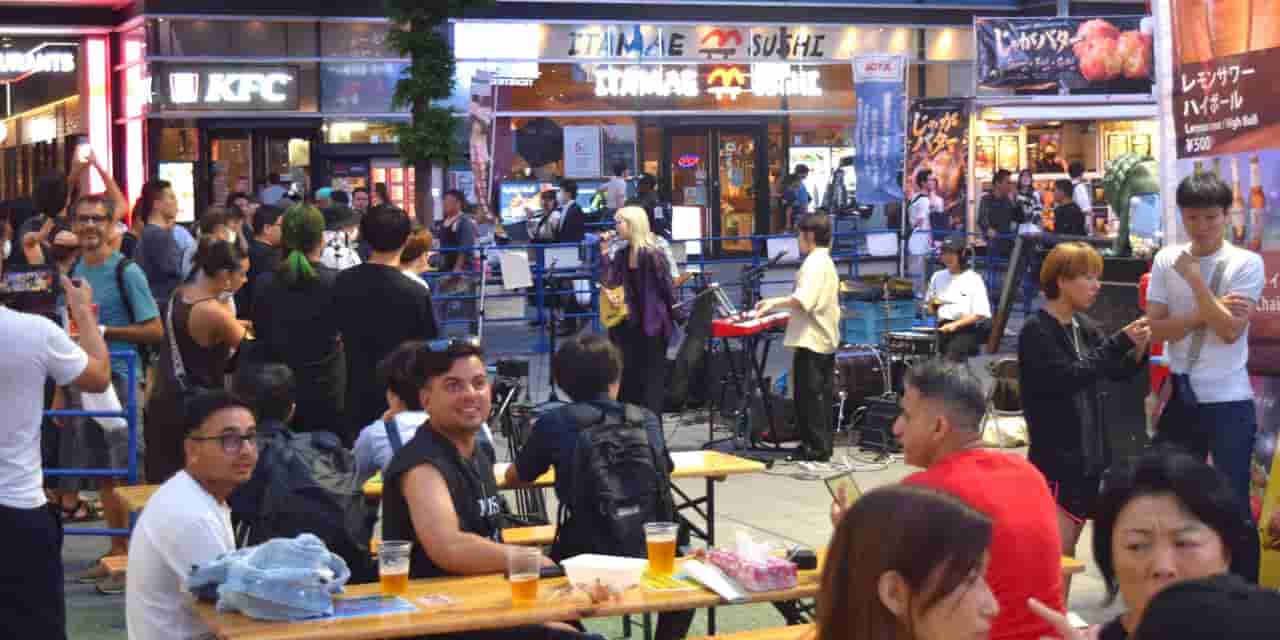
- The Shinjuku Ward office is organizing events such as food trucks and live music.
- The area has undergone significant gentrification over the past two decades.
- The new Tokyu Kabukicho Tower, a large entertainment complex, has opened in the district.
- The tower houses hotels, a theater, concert hall, cinema, and other entertainment venues.
Tokyo's Kabukicho, once notorious as Asia's largest nightlife district, is undergoing a significant image transformation. The Shinjuku Ward office is actively working to create a more 'healthy' bustle by organizing a continuous stream of events, including food trucks and live music performances. This effort is part of a broader gentrification process that has been underway for two decades, aiming to sanitize the area and attract a different clientele.
The district's transformation is highlighted by the recent opening of the Tokyu Kabukicho Tower, a striking 225-meter entertainment complex. This landmark property features luxury hotels, a traditional theater, a concert hall, a cinema, a gym, spa, and numerous restaurants and bars. Shinjuku Ward Mayor Kenichi Yoshimizu has expressed optimism that the new tower will further accelerate the economic revival of Kabukicho.
Historically, Kabukicho's backstreets were lined with establishments of various natures, some operating in legal grey areas. Efforts to clean up the district intensified around the turn of the century, with police and residents collaborating to enforce previously ignored laws, particularly targeting yakuza and the sex industry. While some older establishments, like those in Golden Gai, remain, the district has successfully attracted new businesses and a different demographic, including art collectives and gaming companies.