Thailand is prepared to alter its strategy in dealing with the protracted insurgency in its southern, Muslim-majority region, according to the nation's chief negotiator. Thanut Suvarnananda, appointed in April to lead the peace process, indicated a desire to move away from a focus on immediate concessions in exchange for reduced violence. Instead, he proposed reopening discussions on appropriate forms of governance for the southern border provinces, suggesting a greater willingness from Bangkok to consider self-administration mechanisms than in the past.
The conflict, which has claimed over 7,800 lives since 2004 when the latest wave of insurgency led by the Barisan Revolusi Nasional (BRN) intensified, has seen peace talks facilitated by Malaysia repeatedly stall. Thanut stated his principle is not 'deal or no deal,' emphasizing the need to avoid past pitfalls where limited results were achieved through confidence-building measures. He believes the core issue lies in finding an appropriate governance structure that could transform the BRN from an adversary into a partner.
Proposals such as amnesty, pardons, and sentence reductions for suspected insurgents are under consideration, though similar ideas have been discussed previously without concrete outcomes. Rungrawee Chalermsripinyorat, a lecturer specializing in the conflict, noted that Bangkok must be prepared to make political concessions and ensure alignment among its security agencies to demonstrate the potential for meaningful change.
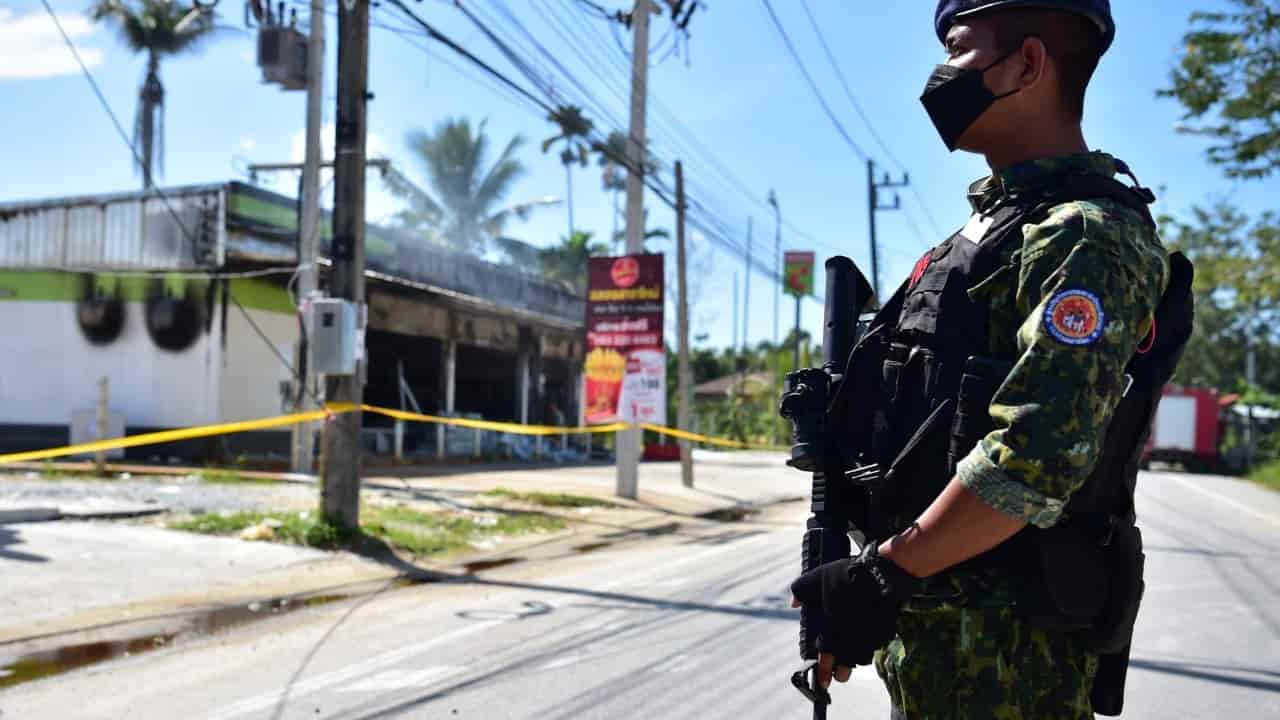
Recent violence, including an attack last month that killed five security personnel and injured six civilians, has complicated efforts to restart formal dialogue. Thanut mentioned he had questioned the BRN about these attacks given the progress towards a preliminary framework agreement, but the group is still deliberating internally. No new dates for formal talks have been set, though communication channels remain open.
Chalermsripinyorat suggested that the recent surge in violence stems from waning confidence within the BRN regarding the peace process. Thanut envisions a future approach involving BRN representatives or trusted individuals working with Thai officials on decentralization and other governance arrangements. He also highlighted the need to review restrictive security measures that could alienate local communities and fuel the insurgency, concluding that a dialogue is necessary as neither side can completely defeat the other.