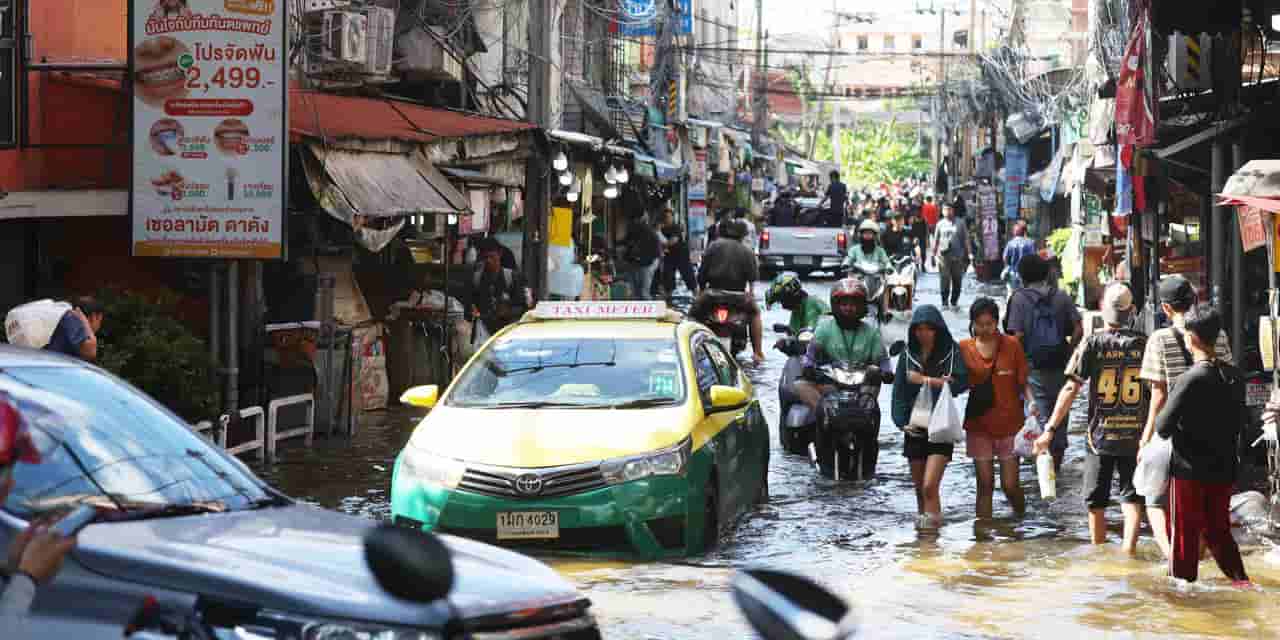
Thailand faces significant water management challenges as an intensifying El Nino phenomenon is poised to bring extreme weather and threaten food security across Asia. Experts warn that this year's El Nino could be one of the strongest on record, exacerbating existing crises in Southeast Asia, a region already highly vulnerable to climate change.
El Nino, a natural climate cycle characterized by warming ocean temperatures in the Pacific, is expected to cause severe drought, heat waves, and flooding worldwide. Southeast Asia is already experiencing its effects, including wildfires in Indonesia, dwindling water supplies for major cities like Jakarta, and a negative impact on fisheries. The region's governments, already strained by other economic pressures such as the war in Iran and rising energy and fertilizer costs, have less capacity to cope with these intensifying climate disruptions.
The United Nations' World Food Program has warned that El Nino could push at least 49 million more people into acute food insecurity by the end of 2027, with significant effects anticipated in South and Southeast Asia. The Mekong River basin, a vital resource for multiple nations, is also being disrupted by reduced rainfall, hotter temperatures, and ongoing infrastructure projects.