Key facts
- Tesla shareholders would gain direct exposure to SpaceX's Starlink, rocket launches, and AI operations.
- SpaceX's xAI business could access Tesla's real-world driving data.
- The deal could reduce Tesla's reliance on its auto business.
- SpaceX's growth story would be diluted by Tesla's current valuation.
- Investors may apply a conglomerate discount to the combined entity.
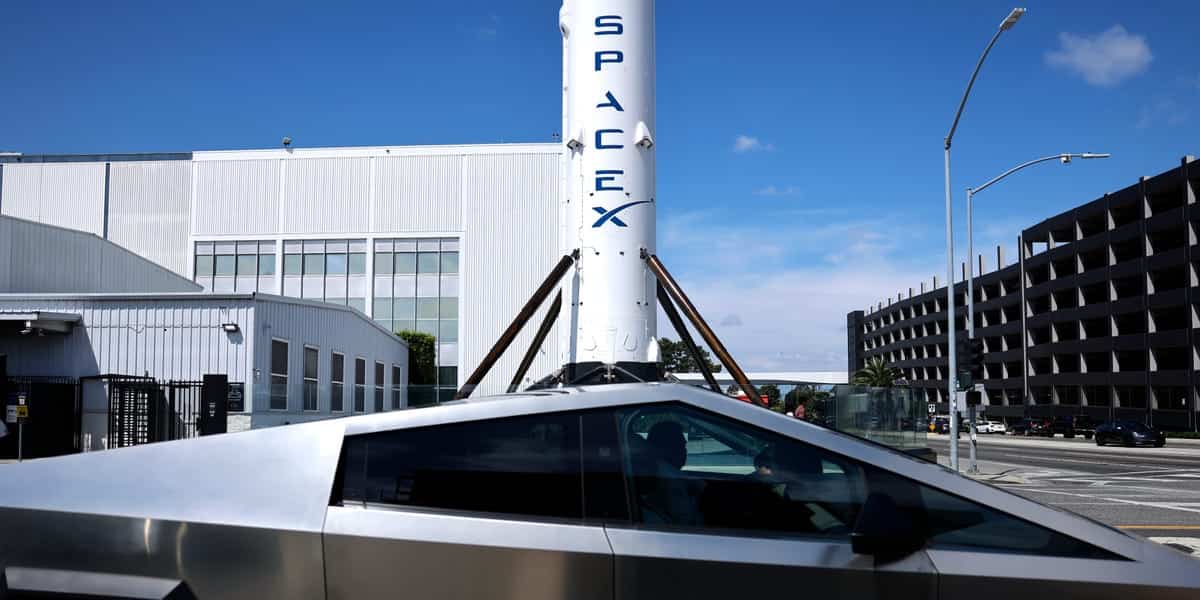
Long-percolating rumors of a potential merger between Tesla and SpaceX are now moving toward formal steps, which could create an EV-and-AI mega-conglomerate. The potential combination comes as Tesla shares are down 24% from their late-2025 record high, while SpaceX shares have gained about 10% since their June IPO. Tesla rose 3% and SpaceX spiked 8% on Wednesday following the news.
For Tesla shareholders, the merger offers direct exposure to SpaceX's Starlink, rocket launches, and AI operations, potentially bolstering Tesla's "physical AI" narrative and reducing its reliance on the auto business. However, Tesla could be overpaying for SpaceX, face increased capital spending, and have a more complex ownership structure.
SpaceX could benefit from Tesla's liquid stock for fundraising and acquisitions, and its xAI business could leverage Tesla's vast real-world data. However, SpaceX's growth story might be diluted by Tesla's current valuation, and the deal's rationale hinges on future synergies rather than immediate cost savings. Investors will scrutinize the deal's pricing to ensure fairness for both sides.