Key facts
- Mohammed Ghamira died in Syrian custody days after being detained over a financial dispute.
- Authorities confirmed Ghamira's death resulted from a beating by a police investigator.
- The investigation found negligence by police leadership, including failure to record Ghamira's medical condition.
- Protests erupted in Aleppo demanding accountability for the detainee's death.
- While some progress in releasing detainees is noted, arbitrary detentions persist under the new government.
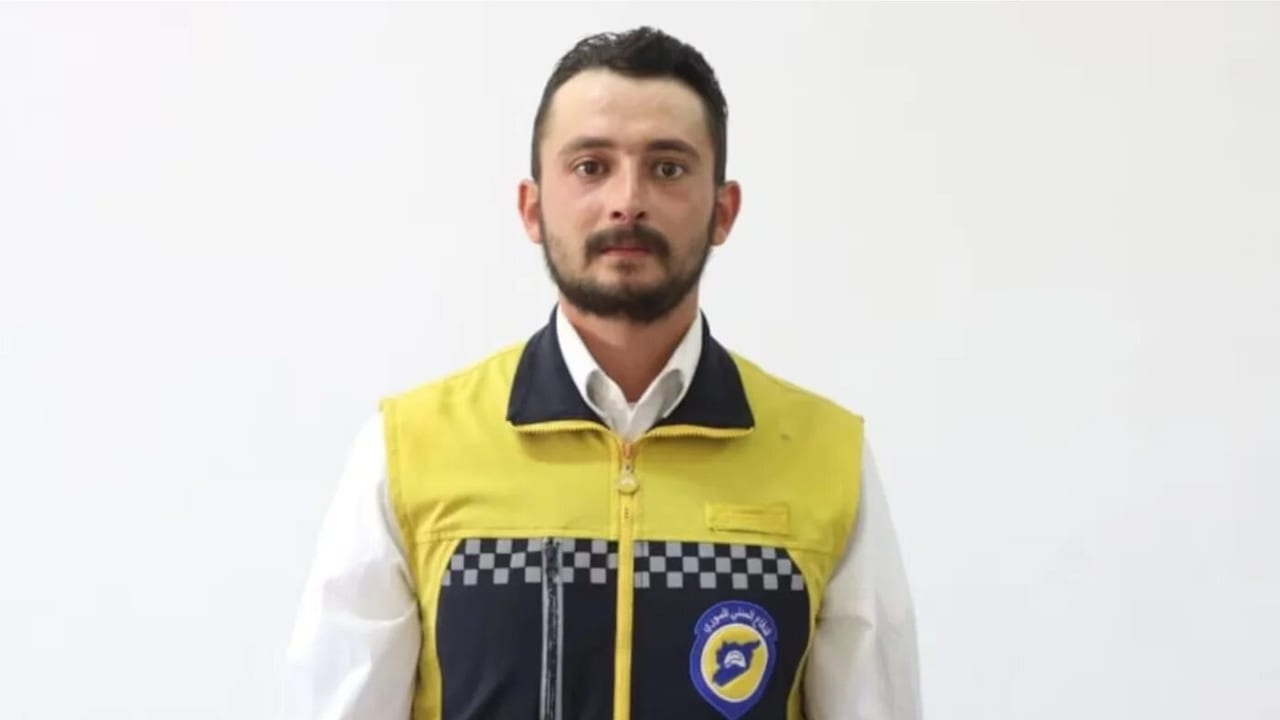
The death of Mohammed Ghamira, a 29-year-old father of two and former volunteer with the White Helmets, in Syrian custody has triggered protests and renewed scrutiny of the country's detention practices. Ghamira died days after being detained over a financial dispute, with authorities stating his death resulted from 'complications from cerebral and gastrointestinal haemorrhaging' due to a beating sustained after his arrest. His family had informed authorities of his haemophilia, a condition that complicates bleeding, and requested he not be subjected to physical violence.
A government investigation concluded that a slap from a police investigator caused Ghamira's death. The investigator has since been detained and referred to judicial authorities. The probe also identified procedural shortcomings and negligence by the police department chief and investigator, including a failure to record Ghamira's medical condition. Protesters gathered in Aleppo, holding signs that read, 'Do not repeat the oppression that we revolted against,' demanding accountability.
Syrian activist Nedal al-Amari commented on X that such deaths under torture in state prisons are a 'disgrace' for the people of the revolution. Saana-Maria Jokinen, an expert on Syrian human rights, noted that the open discussion and demand for accountability in Ghamira's case stand in stark contrast to the practices under the former Assad regime. During Assad's 24-year rule, hundreds of thousands were detained, subjected to torture, or forcibly disappeared, with tens of thousands dying in notorious facilities like Sednaya prison.
The Syrian Network for Human Rights (SNHR) indicated that the fall of the Assad regime has ended the previous government's extensive system of arbitrary detention and torture. However, SNHR also noted that a new detention system fully compliant with international law has yet to be established. While detainees are being released, the group documented 192 cases of arbitrary detention attributed to the transitional government in the first half of 2025. SNHR called for a unified, transparent register of detainees, guaranteed access to legal and medical professionals, and an end to unofficial detention facilities.