Key facts
- Sweden's government raised its GDP growth forecast to 2.5% for the current year, up from 2.3% in June.
- The government projects 2.5% growth to continue in 2027.
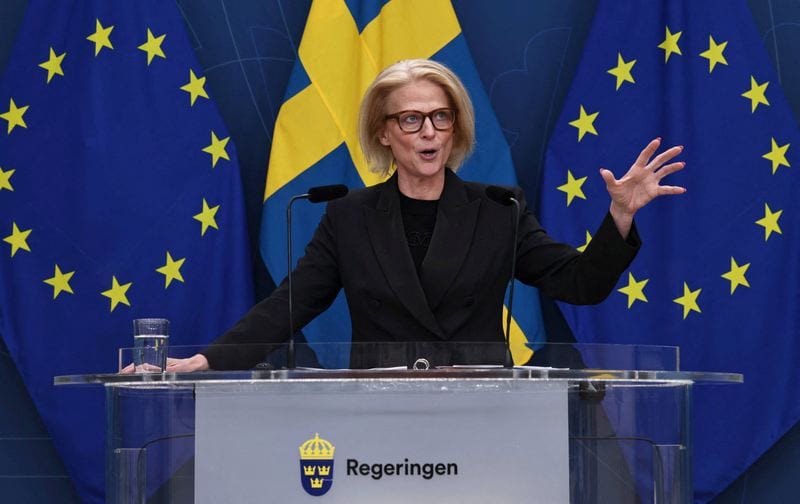
- Finance Minister Elisabeth Svantesson stated Sweden is in a stronger economic position than in 2022.
- The government has implemented tax cuts on fuel and VAT on food, alongside increased in-work tax credits.
- The ruling coalition and Sweden Democrats currently poll at 45.6% of the vote, with the opposition at 52.4%.
Sweden's centre-right coalition government has revised its Gross Domestic Product (GDP) growth forecast upwards to 2.5% for the current year, an increase from the previously projected 2.3%. The government also anticipates maintaining this 2.5% growth rate through 2027. Finance Minister Elisabeth Svantesson highlighted Sweden's improved economic standing, citing favorable indicators such as slowing inflation, a recovering economy, and growth rates that outpace many European rivals. The European Union as a whole is expected to see approximately 1.1% growth this year.
This optimistic economic outlook is being presented by the government ahead of the September 13 election, with the hope that it will improve their standing in the polls. The government has implemented measures to support households and businesses, including tax cuts on fuel and food, and increased in-work tax credits. They are also promising further measures, such as free kindergarten and additional tax credits, if re-elected.
Despite the positive economic data, including inflation falling below 1% and an improving labor market, consumer sentiment remains subdued, particularly among lower-income households. Current polling indicates the ruling coalition, alongside the Sweden Democrats, garners 45.6% of the vote, while the opposition holds 52.4%.