Key facts
- Spain and Morocco reinforced Ceuta's borders to prevent a repeat of a recent migrant surge.
- Border workers claim Spanish authorities disregarded warnings about escalating migrant arrivals before a large crossing.
- A Spanish court ruling on June 29 created a 'legal loophole' regarding the immediate pushback of migrants arriving by sea.
- News of the ruling and videos of successful crossings encouraged more migrant attempts.
- Spain installed a floating maritime barrier on August 1, following a massive arrival on July 30.
- Morocco receives significant EU funding to help police its borders.
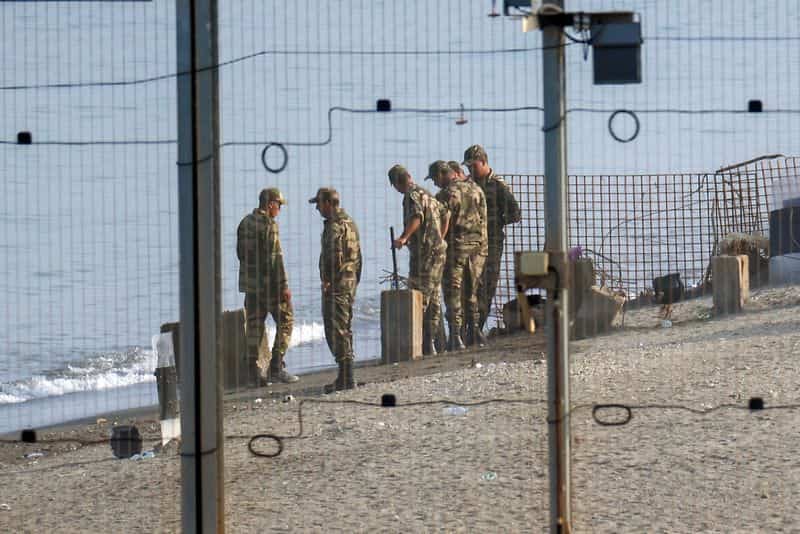
Spain and Morocco have reinforced the borders of the Spanish enclave of Ceuta following a large migrant surge in late July, with border workers claiming that Spanish authorities disregarded warnings about escalating arrivals. The reinforcements aim to prevent a repeat of the mass crossing, which saw tens of thousands of migrants enter Ceuta.
Border workers and trade unions stated they had warned the Spanish central government weeks before the July 29-30 rush that more people, spurred by social media and a recent court ruling, were arriving by sea. They expressed fears of an escalation and urged for action and clear protocols. The ruling, published on June 29, specified that migrants swimming to Ceuta could not be immediately pushed back, creating what unions called a 'legal loophole'.
Spain's Interior Ministry acknowledged studying options after the court ruling before installing a floating maritime barrier on August 1, two days after the massive arrival. A ministry spokesperson stated that authorities had assessed various options before the barrier was put in place. However, union representatives indicated that no clear instructions resulted from their requests for meetings with government officials.
Morocco, which receives significant EU funding for border policing, also increased its security presence. However, a senior Moroccan government official suggested that increasing security forces would have been ineffective due to the strong 'pull factor' and stated that tackling the consequences was Spain's responsibility. Moroccan officials have also called for Europe to do more to deter migrants, with the Justice Minister questioning Spain's approach to receiving undocumented immigrants.
The rush resulted in at least 94 confirmed deaths, with human rights groups reporting more missing. The Spanish government attributed the surge to misinformation spread by criminal networks, while Morocco has stressed Europe's role in deterring migration.