Key facts
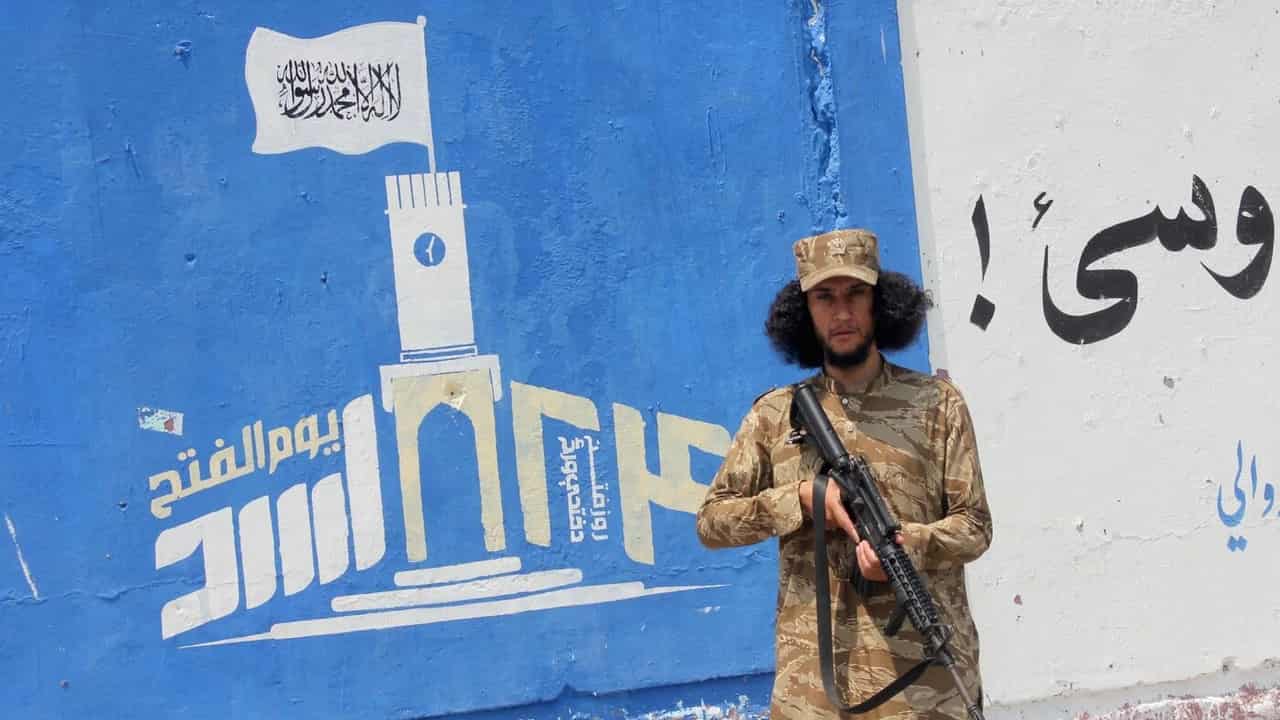
- Taliban celebrated five years in power in Afghanistan on Saturday.
- The Taliban government remains internationally isolated, with Russia being the sole recognized state.
- Residents acknowledge improved internal security but call for focus on jobs and education.
- Severe restrictions continue for women and girls, including bans on education beyond sixth grade and higher education.
- A UN official warned of a grave human rights crisis, describing the situation as gender persecution.
Taliban rulers gathered on Saturday to mark five years in power in Afghanistan, highlighting the stability and end to conflict they claim to have brought. However, residents expressed a desire for greater focus on jobs and education, while a top United Nations official warned of a severe human rights crisis.
The Taliban seized control on August 15, 2021, following the withdrawal of U.S. and NATO troops. Since taking power, the administration has imposed significant restrictions on women and girls, including bans on education beyond the sixth grade and higher education. Women are also prohibited from public spaces like gyms and parks, and require a male guardian for travel.
During the celebrations at the Loya Jirga assembly hall, officials delivered speeches about liberation from foreign forces. Russia is the only nation to have formally recognized the Taliban government. Deputy spokesman Hamdullah Fitrat prayed for protection from insecurity and for peace and prosperity under Sharia law.
Richard Bennett, the UN special rapporteur on human rights, stated that while the era of war has ended, true peace is questionable, and the human rights situation has deteriorated, particularly for women and girls, characterizing the system as gender persecution. He cautioned against normalizing the Taliban's policies, which he believes legitimize discrimination.
Molvi Hayatullah Mahajar Farahi, a deputy minister, asserted that the administration has delivered security, infrastructure, and jobs, with significant investment in universities. However, UNESCO estimates that 2.4 million girls are excluded from secondary education, and UN Women noted that the current restrictions are damaging Afghanistan's future by impacting the availability of essential professionals like teachers and doctors.