Key facts
- South Korea's exports rose 62.8% in July year-on-year, exceeding forecasts.
- Semiconductor exports increased by 179% and computer sales by 404% due to AI investment.
- The Kospi index recorded a record 18% surge on Friday, recovering from recent losses.
- Microsoft's strong earnings and Citadel's acquisition of a hedge fund's equity book fueled the stock market rally.
- The country achieved a trade surplus of $30.32 billion in July.
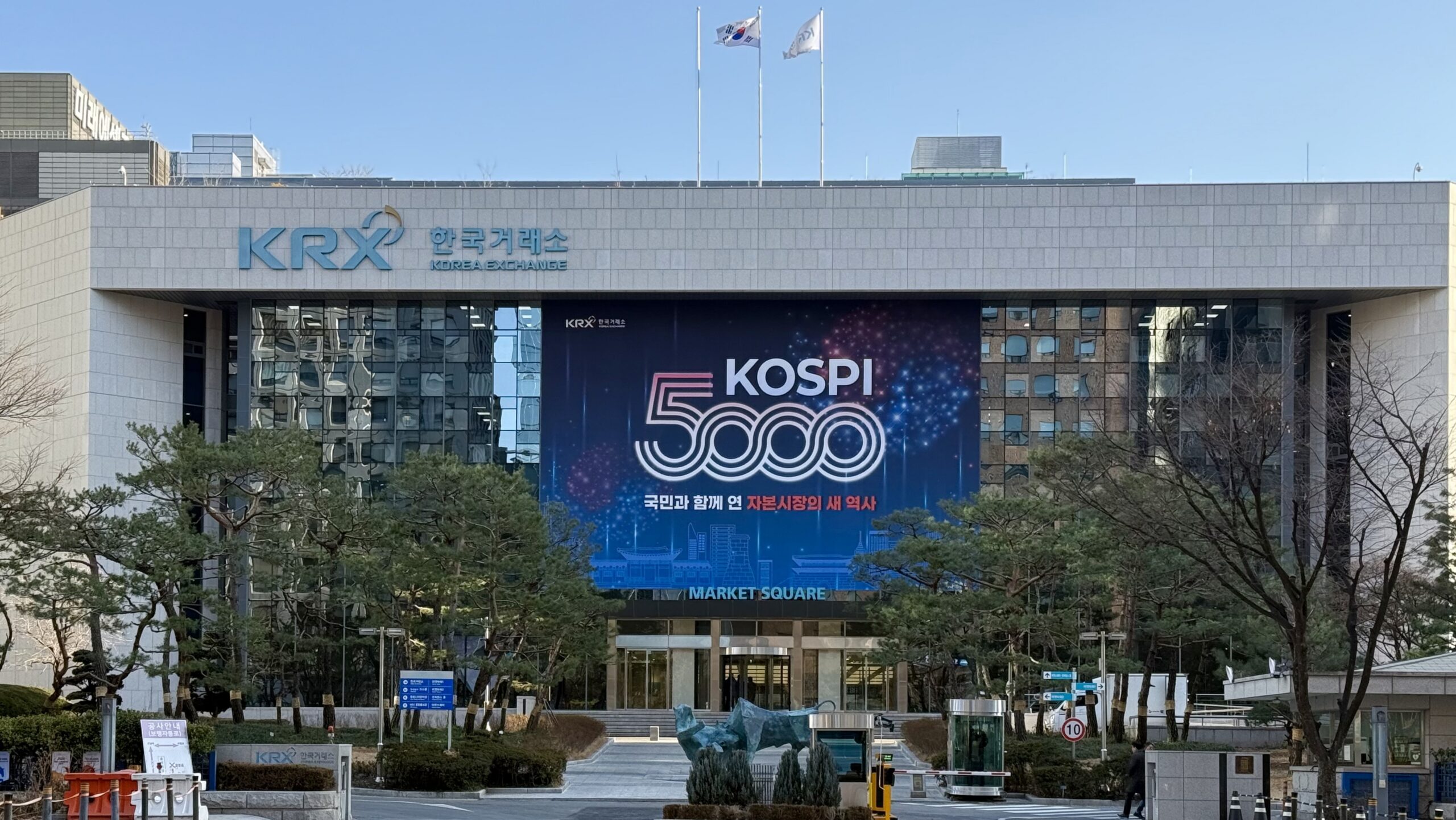
South Korea's economy is showing robust signs of recovery, with exports in July surging 62.8% year-on-year, driven by strong global demand for semiconductors and computers essential for artificial intelligence investments. This economic strength is mirrored in the stock market, where the Kospi index achieved a record 18% single-day gain on Friday, recovering from recent volatility.
The surge in the Kospi was primarily fueled by gains in chip stocks, following positive earnings reports from tech giants like Microsoft, which helped alleviate concerns about excessive AI spending. The market sentiment was further bolstered by Citadel's acquisition of the public-equity book from Leopold Aschenbrenner's hedge fund, which had focused on AI infrastructure and semiconductors. This activity has positioned the Kospi index as a critical indicator for the global AI trade.
Semiconductor exports alone jumped 179%, while computer sales saw a remarkable 404% increase, underscoring the impact of AI investments by major U.S. technology firms. Samsung Electronics reported a substantial increase in chip profits and secured long-term supply deals, anticipating a worsening global chip shortage extending to 2028. Despite this positive trend, peer SK Hynix's quarterly results, while strong, did not meet exceptionally high investor expectations, raising some market concerns about future AI spending.
Earlier in the week, Asian markets, including South Korea, experienced rallies, with the yen holding steady after suspected intervention as the Bank of Japan maintained its interest rates. The country posted a trade surplus of $30.32 billion in July, indicating a healthy balance of trade.