Key facts
- South Korea's economic growth forecast for 2026 has been raised to 3.2 percent by the Korea Development Institute (KDI).
- The KDI's previous forecast for 2026 was 2.5 percent.
- The upward revision is attributed to stronger global demand driven by the artificial intelligence (AI) boom and sustained demand for semiconductors.
- The think tank also projected economic growth of 2.2 percent for 2027, an increase from its prior outlook.
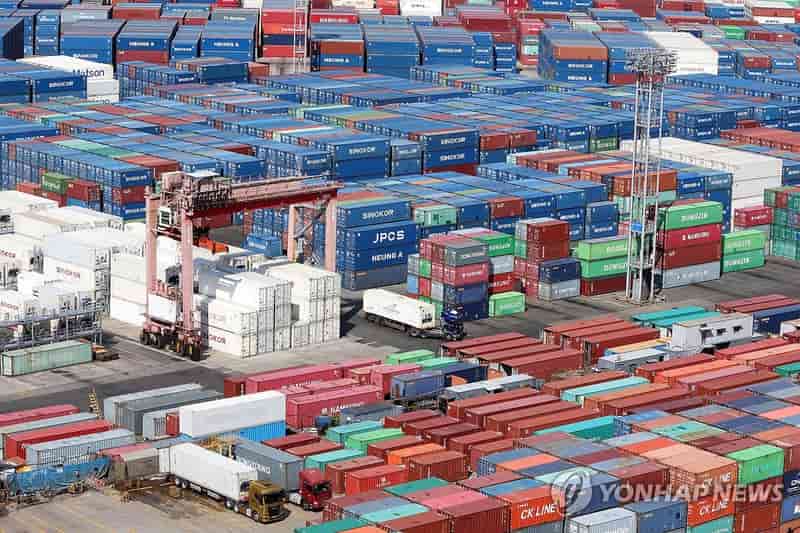
- KDI noted that South Korean export volumes are expected to grow significantly in 2026 and 2027.
- Moody's Ratings has also reportedly revised its growth forecast for South Korea to 3.5 percent.
The Korea Development Institute (KDI) has revised its economic growth forecast for South Korea upward for both 2026 and 2027, citing the ongoing artificial intelligence (AI) boom and its impact on global demand for semiconductors. The state-run think tank now expects the South Korean economy to grow by 3.2 percent in 2026, an increase from its previous projection of 2.5 percent. For 2027, KDI anticipates a growth rate of 2.2 percent, up 0.5 percentage point from its earlier forecast.
This upward revision is driven by stronger-than-expected global demand for semiconductor products, which is boosting exports and facility investment. KDI projects South Korean export volumes to increase by 8.7 percent in 2026 and 5 percent in 2027, suggesting these gains will eventually support private consumption. The think tank noted that exports of computers, electronics, and optical instruments are growing rapidly, contributing to an unprecedented current account surplus, with facility investment led by chip-related segments.
In line with these trends, global credit appraiser Moody's Ratings has also reportedly revised its growth forecast for Asia's fourth-largest economy to 3.5 percent, up from a previous projection of 2.5 percent made in May.
However, KDI cautioned that South Korea's heavy reliance on global chip demand could lead to increased economic volatility. The think tank warned that growth could slow rapidly if global AI investment contracts due to profitability concerns or if South Korean chipmakers face declining market shares amid intensified international competition. Conversely, growth could exceed expectations if domestic companies expand their semiconductor production capacity at a faster pace. Other identified risks include uncertainties surrounding U.S. tariff policies and geopolitical tensions in the Middle East, which could disrupt raw material supplies.