All NewsEducationTV
Equities & FundsCrypto & Digital AssetsAI & TechnologyBusiness & CorporateUS Politics & PolicyGeopolitics & Global RiskMacro, Rates & FXCommodities & EnergyEuropean Politics & MarketsAsia-PacificReal Estate & Property
All NewsHome
← Back to Equities & Funds

South Korea's stock market mania leads to investor trauma and policy questions

Created at 21 Aug · 1:45 AM1 source↑ Market-relevant
IN SHORT

South Korea's KOSPI index has fallen 30% from its June peak, causing significant investor losses and psychological trauma. The surge and subsequent crash were fueled by retail investors' pursuit of quick profits through leveraged products, raising questions about market regulation and the nation's path to developed market status.

Key Numbers

30%KOSPI decline from June peak
3.7 millionSubscribers to an investment YouTuber's channel
1 hourMandatory training for leveraged ETFs
10 million wonMinimum deposit for leveraged ETFs ($7,208.25)
75%Jump in margin loans for KOSPI investment
30 trillion wonMargin loan balance for KOSPI investment by late June
29.8 trillion wonRecord margin loan balance on June 24
53%Combined value of Samsung Electronics and SK Hynix on KOSPI
97.99VKOSPI volatility gauge level in early July
$38.7 billionEstimated retail investor losses on leveraged ETFs
11 patientsAverage daily stock-related distress cases treated by a psychiatrist
35%Retiree's investment loss in the rout

Who's Involved

Lee Jae Myung
President of South Korea, whose government faces political fallout
Jeon Suk-jae
YouTuber whose investment channel tracks the national mood
Kim Yong-beom
Presidential chief of staff for policy, advocated for allowing leveraged products
Kwon Soon-kuk
Investor who earned 66% at market's height using leverage
Park Jung-jae
Economics professor at Yonsei University, attributed herd behavior to past shocks
Chun Wang
Director of multi-asset strategies at Leuthold Group, likened Korea's bets to 'Squid Game'
Park Jongsuk
Seoul psychiatrist treating stock-related distress
Huh Jae-hwan
Analyst at Eugene Investment Securities, commenting on foreign investor sentiment
Dalbo Park
Retiree who lost 35% of his investment and may not invest in KOSPI again
Samsung Electronics
Memory chipmaker, part of the AI boom that fueled market surge
SK Hynix
Memory chipmaker, part of the AI boom that fueled market surge
Financial Services Commission
South Korea's top financial regulator
Korea Financial Investment Association
Reported record margin loan balances
South Korea's stock market mania leads to investor trauma and policy questions

↳ Why This Matters

The episode highlights the risks of rapid financial liberalization and speculative investor behavior, impacting individual well-being, market stability, and South Korea's international investment standing. It raises critical questions about regulatory oversight and the balance between encouraging market dynamism and protecting retail investors.

Key facts

  • South Korea's KOSPI index has fallen 30% since its June peak.
  • The government approved single-stock leveraged ETFs in May, requiring minimal training and a deposit.
  • Retail investors' use of margin loans for KOSPI investment jumped to 30 trillion won by late June.
  • An estimated $38.7 billion was lost by retail investors on leveraged ETFs.
  • Demand for psychiatric treatment for stock-related distress has surged.
  • New restrictions have been placed on individual investment in leveraged ETFs.

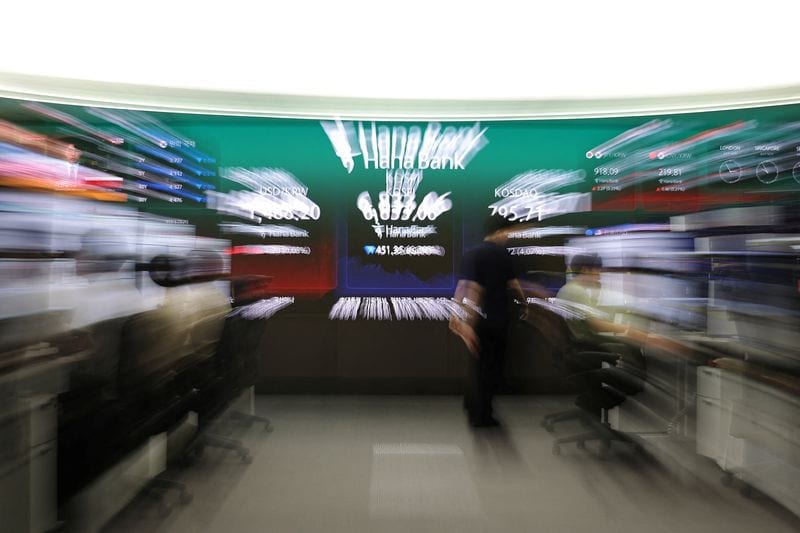
South Korea is grappling with the aftermath of a stock market mania that has led to significant investor losses and psychological trauma, potentially hindering the nation's progress towards developed market status. The KOSPI benchmark index plummeted 30% from its June peak, turning investor euphoria into despair and creating a political challenge for President Lee Jae Myung's government.

The surge was fueled by a push to eliminate the 'Korea Discount' by allowing bolder bets, including single-stock leveraged exchange-traded funds (ETFs) launched in May. These products, which use derivatives to multiply daily returns, were approved despite internal concerns about domestic investors' understanding of the risks. The only requirements were a short training course and a minimum deposit.

The timing coincided with a global AI boom, which propelled Korean memory chipmakers Samsung Electronics and SK Hynix to trillion-dollar valuations and ignited a domestic stock frenzy. Financial influencers and commentators amplified the obsession, with many retail investors, feeling excluded from the AI windfall, taking on debt and chasing quick profits through leveraged trading. Margin loans for KOSPI investment surged, reaching a record 29.8 trillion won by late June, driven by the country's wide wealth inequality.

Sentiment shifted in early July, leading to extreme market volatility. Analysts estimate retail investors lost $38.7 billion on leveraged ETFs, with some likening the speculative bets to the high-risk games in the Netflix drama 'Squid Game.' The fallout has been emotional, with a notable increase in demand for psychiatric help for stock-related distress. One incident involved a man arrested for attempted murder, who allegedly blamed a YouTuber for his stock losses.

In response, politicians have apologized, and authorities have imposed new restrictions on individual investment in leveraged ETFs. However, investor confidence remains shaken. Analysts suggest that the increased volatility may negatively impact foreign investor views of the South Korean market, potentially hindering the long-term goal of elevating the KOSPI to MSCI's developed market list, despite positive views on corporate governance reforms.

Frequently asked questions

The KOSPI fell sharply after a period of rapid gains fueled by retail investor enthusiasm for leveraged products, coinciding with a global AI boom. Sentiment shifted, leading to extreme volatility and significant losses.

These are financial products that use derivatives to multiply a stock's daily return. They are popular with investors seeking amplified profits but carry high risk of substantial losses.

The crash has led to widespread financial losses and psychological trauma among retail investors, with a notable increase in demand for mental health services related to stock market distress.

The 'Korea Discount' refers to the tendency for South Korean stocks to trade at a lower valuation compared to global peers, often attributed to factors like dominant family-owned conglomerates and weaker corporate governance.

What Happens Next

01Authorities are expected to continue monitoring market stability and investor behavior.
02Further discussions may occur regarding the long-term implications for South Korea's market status.
CME Headlines
  • SPANFramework Product Addition to Cross Model Offset (“CMO”) - Effective August 21, 2026
    20 Aug · 10:45 PM
  • Equity indices drop as Micro Bitcoin futures volume tops 100,000.
    20 Aug · 9:38 PM
  • Equity indices drop as Micro Bitcoin futures volume tops 100,000.
    20 Aug · 9:38 PM

How It Developed

South Korea's KOSPI benchmark index declined 30% from its June peak.
Regulators discussed and approved single-stock leveraged ETFs in May.
Retail investors, known as 'ants,' heavily invested in leveraged products, driving margin loans to a record 29.8 trillion won.
The market experienced extreme volatility, with the VKOSPI volatility gauge spiking to its highest level since 2009.
Retail investors are estimated to have lost $38.7 billion on leveraged ETFs.
Demand for psychiatric help related to stock losses has increased.
Authorities have imposed new restrictions on individual investment in leveraged ETFs.
Analysts suggest the volatility may deter foreign investment despite efforts to address the 'Korea Discount'.

Sources

T1
From euphoria to despair, Korea reckons with stock mania's emotional tollReuters

Related Stories

Asian shares fall as U.S. yields, oil prices remain elevated
21 Aug · 12:21 AM
Shein postpones Hong Kong IPO to September
20 Aug · 10:52 AM
StanChart offers hedge fund strategies to wealth clients amid volatility
20 Aug · 4:51 AM
Samsung Electronics plans $72bn shareholder return program
20 Aug · 11:00 AM
AI stakes boost S&P 500 Q2 earnings, but caution advised
20 Aug · 10:06 AM