
Key facts
- Costco shares are down 16% since a May peak.
Costco and Walmart shares have underperformed the broader market since May, despite strong sales and customer traffic. Investors are increasingly focused on growth metrics, making these defensive stocks more sensitive to signs of weaker consumer spending.
Costco and Walmart's stock performance highlights a shift in investor sentiment where strong sales are no longer enough to satisfy market expectations, particularly for companies perceived as defensive plays. As investors prioritize growth, these retailers face a higher bar for stock appreciation.
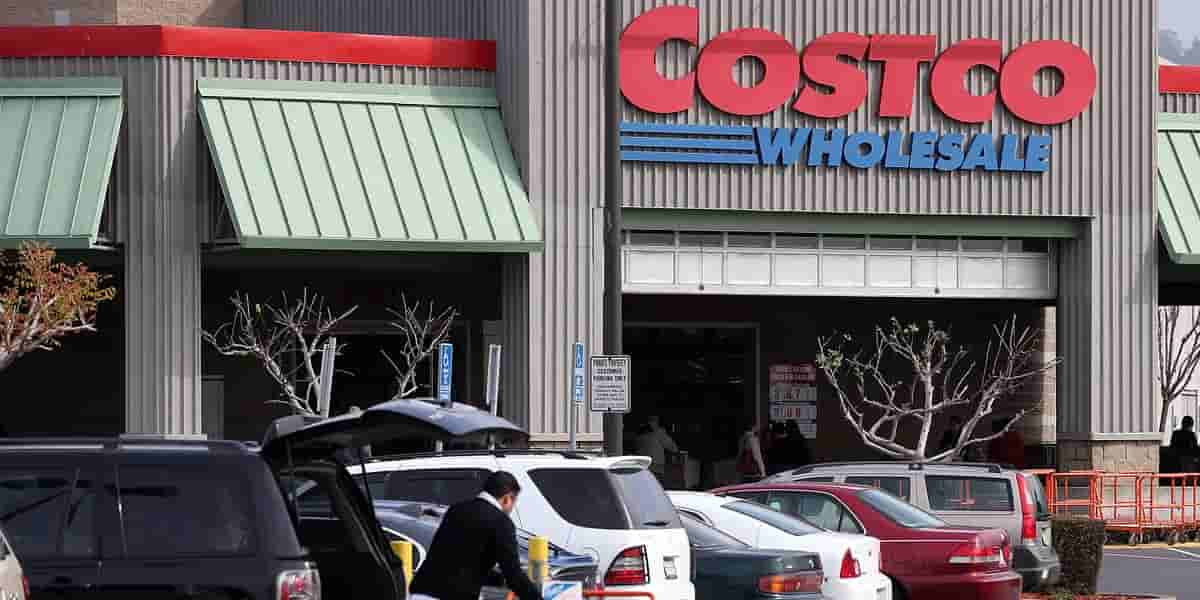
Despite packed parking lots and strong customer traffic, shares of retail giants Costco and Walmart have recently underperformed the market. Investors are increasingly scrutinizing growth metrics, making these traditionally defensive stocks more vulnerable to signs of weakening consumer spending.
Costco shares have fallen 16% since hitting a peak in May. Similarly, Walmart, another retailer consumers often turn to during economic downturns, has seen its stock chart mirror Costco's despite continued customer growth. The article suggests that the very reputation of these companies as defensive plays may have led investors to price in a premium, leaving less room for error.
The shift in investor sentiment was partly influenced by geopolitical events and company-specific forecasts. On May 20, President Trump's comments about Iran-war negotiations in their final stages led to a drop in oil prices, diminishing the appeal of defensive trades. The following day, Walmart's forecast for second-quarter profit below analyst expectations triggered a sector-wide sell-off, from which neither stock has fully recovered.
Costco's latest quarterly report showed increases in overall and comparable sales, with plans to open 33 new warehouses in the next fiscal year. However, the resulting 3% stock gain was insufficient to offset prior losses. Minor caveats, such as a one-time tariff refund partially driving profit and a slowdown in membership-fee growth, were noted by investors.
Walmart's performance has been closely tied to consumer anxiety. While its latest results beat expectations and the company raised full-year guidance, US comparable-sales growth slowed to its weakest pace in six years, which investors focused on. The company's shares have fallen 9% and 7% after its past two earnings reports, respectively, despite market share gains and customer additions, indicating growth is not meeting investor expectations.
Pick the topics you care about. Get only what matters, on your cadence.