Key facts
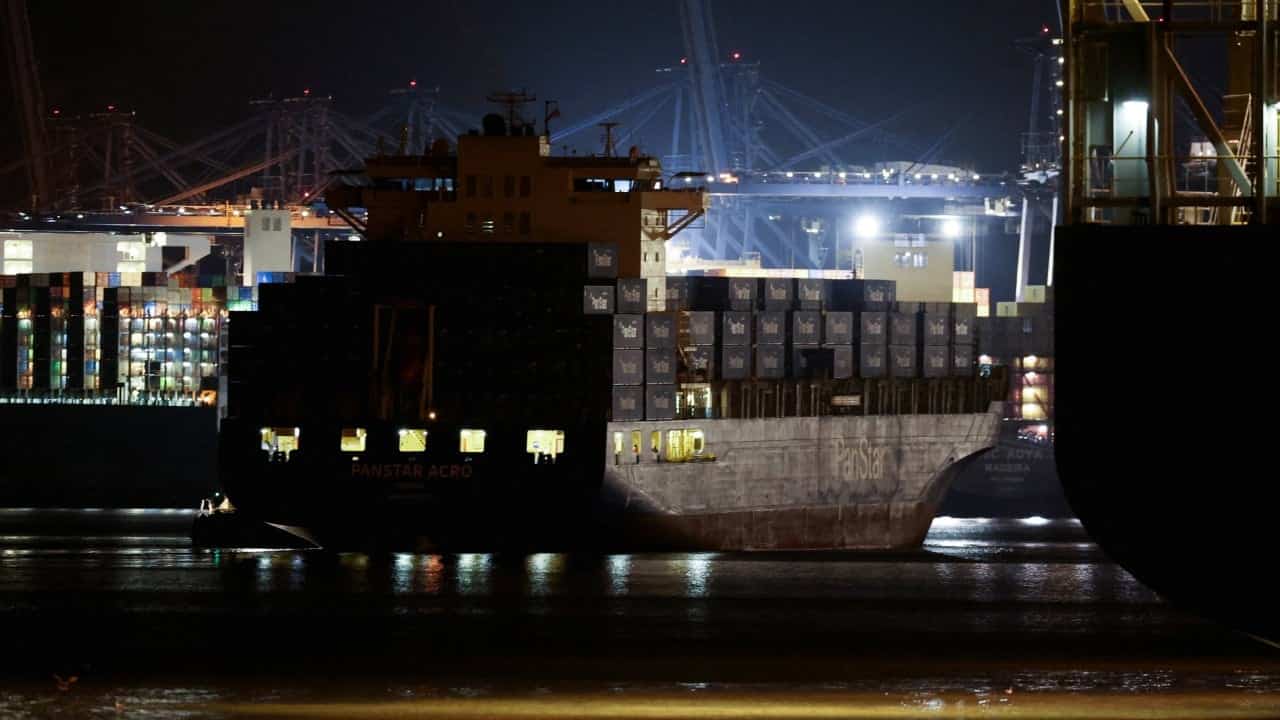
- South Korea's PanStar Acro container ship completed a trial voyage through the Arctic's Northern Sea Route.
- The round trip to Europe was approximately 10 days shorter than the conventional Suez Canal route.
- The vessel carried 737 twenty-foot-equivalent units of cargo on its outbound journey.
- The Northern Sea Route spans about 13,000 kilometers, compared to 20,000 kilometers via the Suez Canal.
- Concerns exist regarding high operating costs, securing sufficient cargo, and geopolitical risks associated with the route.
- Environmental advocates warn that increased traffic could accelerate Arctic ice loss.
A South Korean container ship, the PanStar Acro, has successfully completed a trial voyage through the Arctic's Northern Sea Route, marking a significant step in testing an alternative shipping path. The vessel returned to Busan on Sunday after a round trip to Europe, a journey officials stated was completed in less time than the conventional route via the Suez Canal.
The trial, supported by the South Korean government, aimed to assess the commercial viability of the Northern Sea Route, which has become more accessible due to melting sea ice. The PanStar Acro departed Busan on August 22, carrying 737 twenty-foot-equivalent units (TEUs) of cargo. It navigated the Northern Sea Route along Russia's northern coast, making port calls in Felixstowe (UK), Rotterdam (Netherlands), and Gdansk (Poland) before returning to Busan. The entire round trip was estimated to take approximately 45 days.
President Lee Jae Myung hailed the voyage as a success, noting the approximately 10-day reduction in sailing time compared to the Suez Canal route. He also highlighted the experience gained in operating in polar waters and the collection of navigational data. The initiative is part of South Korea's broader strategy to enhance its maritime capabilities and establish Busan as a global maritime capital.
However, the trial also brings to light several challenges. The Ministry of Oceans and Fisheries acknowledged that the route's economic feasibility depends on whether fuel savings can offset additional operational costs, such as icebreaker escorts, specialized crews, and insurance. Securing sufficient cargo for both eastbound and westbound voyages is also a critical concern, as the initial survey identified potential demand for only about 1,300 TEUs, and the vessel departed with fewer.
Geopolitical risks are also a significant factor. The Northern Sea Route requires clearance from Russian authorities, and reliance on Russian navigation and icebreaker services raises questions about payments and insurance coverage, particularly given EU sanctions against Rosatomflot, the Russian entity overseeing the route. Major shipping companies like CMA-CGM, MSC, and Hapag-Lloyd have expressed reservations about Arctic routes due to environmental concerns.
Environmental advocates have voiced worries that increased commercial shipping traffic in the fragile Arctic ecosystem could accelerate ice loss. Despite these concerns, South Korea plans to use the data from this trial to assess the feasibility of establishing regular Arctic services by 2030.