South Africa Leader Warns Against Migrant Intimidation Ahead of Unofficial Deadline
3 sources↑ Market-relevant3 events
IN SHORT
South African President Cyril Ramaphosa has cautioned against intimidation and ultimatums as an unofficial June 30 deadline looms for undocumented migrants to leave the country. Thousands have already departed fearing violence, with some separated from families.
Key Numbers
June 30unofficial deadline for migrants to leave
3 milliondocumented foreign nationals in South Africa
12,000immigrants deported or repatriated this year
3,500foreigners volunteered to leave
Who's Involved
Cyril Ramaphosa
South African President warning against anti-migrant protests
Nelson Mbewe
Malawian migrant facing challenges due to lack of documents
Hassan Phiri
Malawian migrant calling for love and unity in Africa
↳ Why This Matters
The escalating anti-immigrant sentiment and unofficial deadline highlight significant social tensions and humanitarian concerns in South Africa, potentially leading to further displacement and instability.
Key facts
President Cyril Ramaphosa warned against intimidation and ultimatums ahead of an unofficial June 30 deadline for undocumented migrants to leave South Africa.
Thousands of foreign nationals have already left the country fearing violence and separation from families.
Ramaphosa emphasized that migrants contribute to South African society and are protected by law, stating protest rights do not extend to threats or violence.
Over 12,000 immigrants have been deported or repatriated this year, with thousands more volunteering to leave.
Anti-migrant marches are planned for Tuesday in major cities, with authorities prepared for potential disruptions.
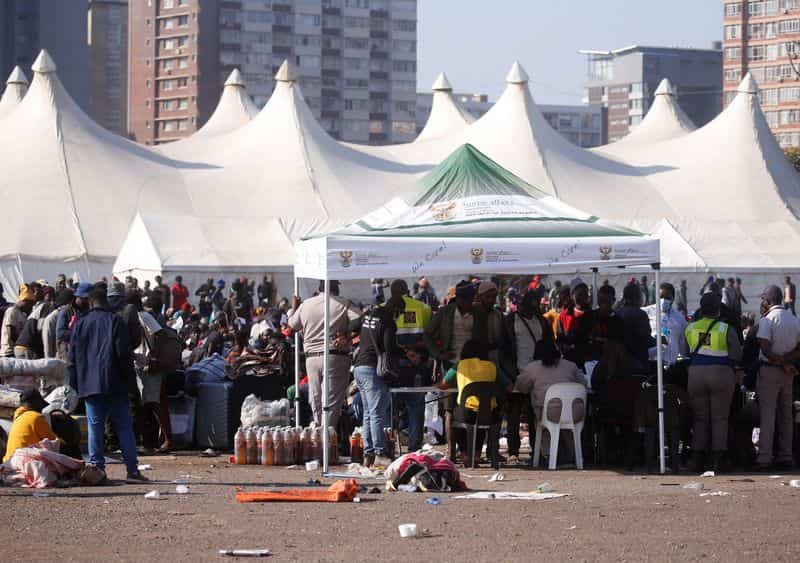
South African President Cyril Ramaphosa has issued a warning against intimidation and ultimatums as an unofficial June 30 deadline approaches for undocumented migrants to leave the country. Several thousand foreign nationals have already departed, fearing violence and separation from families, with some expressing heartbreak over leaving children behind. Ramaphosa emphasized that migrants contribute to South African society and are entitled to legal protection, stating that the right to protest does not permit threats or violence. Despite these statements, anti-immigrant sentiment has been escalating, leading to protests and calls for foreigners to leave. Over 12,000 immigrants have been deported or repatriated this year, and thousands more have volunteered to leave. Authorities are preparing for further anti-migrant marches planned for Tuesday, while migrants continue to await processing in temporary camps.
Frequently asked questions
The unofficial deadline set by anti-immigrant groups is June 30.
Migrants are leaving due to escalating anti-immigrant sentiment, fear of violence, job competition, strained public services, and crime concerns.
President Cyril Ramaphosa has warned against intimidation and ultimatums, stating that migrants are protected by law, but the government faces criticism for perceived inaction.
The Department of Home Affairs is processing deportations and relocating migrants, while authorities are preparing for planned anti-migrant marches.
What Happens Next
01Anti-migrant marches are scheduled for Tuesday in Durban, Johannesburg, and other cities.
02Authorities will continue to manage migrant movements and process deportations.
03Migrants continue to await processing in temporary camps.
How It Developed
South African protesters demand undocumented foreigners leave, citing job competition, strained public services, and crime.
An unofficial June 30 deadline set by anti-immigrant groups is forcing undocumented foreigners to leave South Africa, separating families.
President Cyril Ramaphosa warned against intimidation and ultimatums ahead of the unofficial deadline for undocumented migrants to leave South Africa.
Thousands of foreign nationals have already left South Africa in recent weeks fearing violence.
Ramaphosa stated that foreign nationals contribute positively to South African society and are entitled to legal protection.
The right to protest does not permit threats, intimidation, vandalism, or violence, according to Ramaphosa.
More than 12,000 immigrants have been deported or repatriated since protests began earlier this year.
Approximately 3,500 foreigners have volunteered to leave Ghana, Malawi, Mozambique, Nigeria, and Zimbabwe.