All NewsEducationTV
Equities & FundsCrypto & Digital AssetsAI & TechnologyBusiness & CorporateUS Politics & PolicyGeopolitics & Global RiskMacro, Rates & FXCommodities & EnergyEuropean Politics & MarketsAsia-PacificReal Estate & Property
All NewsHome
← Back to US Politics & Policy

Singapore to probe tariff evasion, PM Wong says

Created at 23 Aug · 5:26 PM1 source↑ Market-relevant
IN SHORT

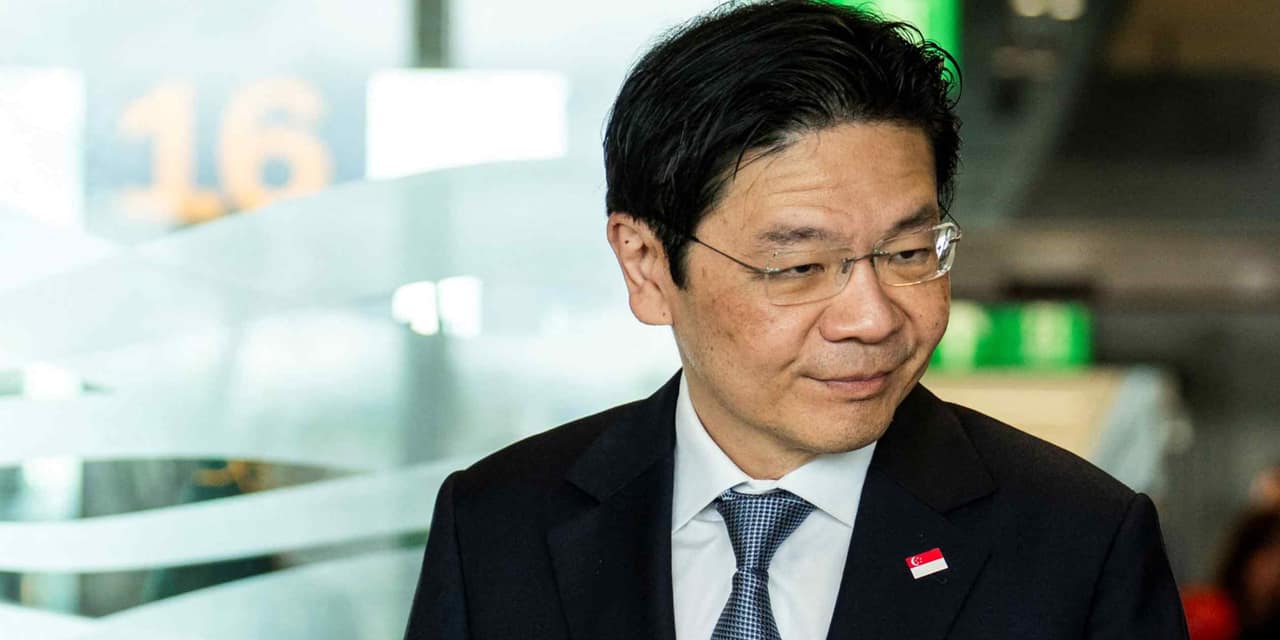
Singapore will investigate any efforts by companies to route goods through the city-state to circumvent tariffs and import goods made with forced labor, Prime Minister Lawrence Wong said. The U.S. has expressed concerns about goods from China being transshipped through third countries to avoid import duties.

Key Numbers

$19 billion to $26 billionannual U.S. tariff revenue lost to transshipment
12.5%U.S. tariff on Singaporean exports

Who's Involved

Lawrence Wong
Singaporean Prime Minister
Singapore
city-state to investigate tariff evasion
U.S.
concerned about tariff evasion and forced labor goods
Singapore to probe tariff evasion, PM Wong says

↳ Why This Matters

Singapore's commitment to investigating tariff evasion and forced labor goods is crucial for maintaining trade relations with the U.S. and addressing global concerns about supply chain integrity, especially given its role as a major international trade hub.

Key facts

  • Singapore will investigate companies attempting to evade tariffs or import goods made with forced labor.
  • The U.S. estimates losing $19 billion to $26 billion annually in tariff revenue due to transshipment of goods.
  • Prime Minister Lawrence Wong affirmed Singapore's commitment to preventing its use for illegal trade practices.
  • Singapore faces a 12.5% U.S. tariff on its exports, linked to its lack of a law prohibiting goods made with forced labor.
  • Wong acknowledged the challenges of tracing supply chains in Singapore's role as a major transshipment hub.

Singapore will investigate any efforts by companies to route goods through the city-state to circumvent tariffs and import goods made with forced labor, Prime Minister Lawrence Wong said on Sunday. The White House recently stated that the U.S. is losing an estimated $19 billion to $26 billion annually in tariff revenue on goods, largely from China, that are transshipped through third countries to avoid U.S. import duties.

Wong affirmed that Singapore will not be used as a conduit for illegal trade practices. He acknowledged U.S. concerns regarding Chinese goods being routed through Southeast Asia and noted the 12.5% U.S. tariff on Singaporean exports, which the U.S. has cited as a consequence of Singapore not having a law prohibiting the importation of goods produced with forced labor. Wong stated that Singapore takes both issues seriously and will investigate any evidence of wrongdoing.

However, Wong also noted the practical challenges given Singapore's status as a major hub for re-exports and transshipment, with goods passing through from all over the world. He explained that it is not possible to trace and verify the entire supply chain behind every product. Singapore will continue to engage with the U.S. and explain its position.

Wong also commented on the evolving nature of global trade, stating that it is no longer as free as it once was and is increasingly influenced by security considerations. He added that while competition is intensifying, the world is not solely shaped by America and China, highlighting Europe as a major force and India's rapid rise, with many middle powers asserting their interests more actively.
Frequently asked questions

Singapore will investigate any efforts by companies to route goods through the city-state to circumvent tariffs and import goods made with forced labor.

The U.S. loses an estimated $19 billion to $26 billion annually in tariff revenue on goods transshipped through third countries.

The U.S. has levied a 12.5% tariff on Singaporean exports, stating it is because Singapore does not have a law prohibiting the importation of goods produced with forced labor.

Prime Minister Wong stated that due to Singapore's role as a major hub for re-exports and transshipment, it is not possible to trace and verify the entire supply chain behind every product.

What Happens Next

01Singapore will continue engaging with the U.S. to explain its position on trade and import regulations.

How It Developed

Singapore will investigate efforts to circumvent tariffs and import goods made with forced labor.
The U.S. loses $19 billion to $26 billion annually in tariff revenue on goods transshipped through third countries.
Prime Minister Lawrence Wong stated Singapore will not be used as a conduit for illegal trade practices.
Wong acknowledged U.S. concerns about Chinese goods routed through Southeast Asia and a 12.5% U.S. tariff on Singaporean exports.
Singapore will investigate evidence of wrongdoing but noted its role as a major re-export hub.
Wong stated that trade is increasingly shaped by security considerations, not just free markets.
He also commented that the world is not solely shaped by America and China, with Europe and India as significant forces.

Sources

T1
Singapore will probe any tariff evasion, PM says in response to TrumpNikkei Asia

Related Stories

Singapore unveils pro-family measures amid record low fertility
23 Aug · 1:21 PM
Trump Warns Canada Against Escalating Trade War
23 Aug · 11:11 AM
Carney vows retaliation as Canada-U.S. trade war escalates
22 Aug · 7:26 PM
US pushes 'America First' agenda at Apec ahead of Xi visit
23 Aug · 6:06 AM
Iran dismisses US sanctions threat as 'desperate'
22 Aug · 6:21 PM