Key facts
- Singapore proposed clearing two-thirds of the 23-hectare Maju Forest for public housing.
- Over 49,000 people signed petitions against the plan, advocating for brownfield development.
- A rally supporting nature and biodiversity drew approximately 2,000 participants.
- The government announced adjustments to the plan to retain more greenery.
- Maju Forest is home to endangered species, including the straw-headed bulbul and Sunda pangolin.
Singapore's plan to clear a portion of Maju Forest for high-density public housing has ignited a rare public outcry in the densely populated city-state. The government initially proposed clearing two-thirds of the 23-hectare forest, an area known for its mature trees and biodiversity, to address soaring housing demand.
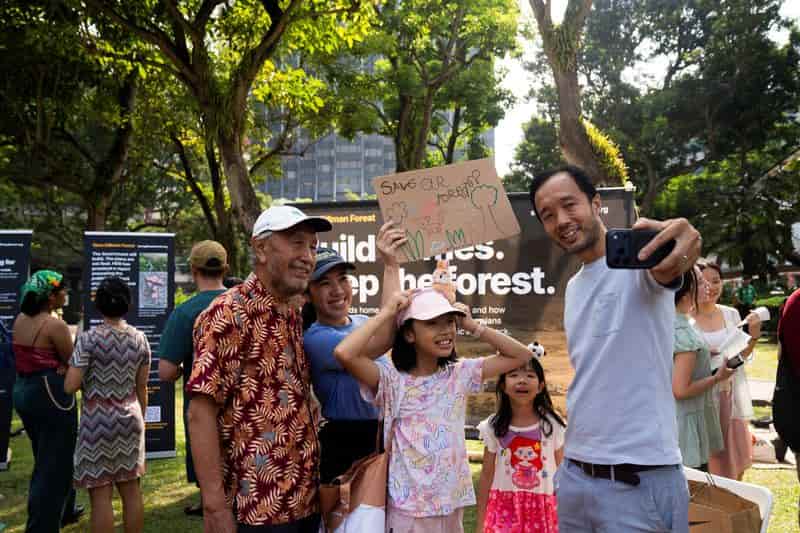
More than 49,000 individuals signed petitions urging the government to prioritize development on brownfield sites, such as golf courses and older housing estates, and over 700 residents wrote to their Member of Parliament to save the forest. A rally on Sunday saw approximately 2,000 people gather to advocate for nature and biodiversity.
In response to the public feedback, the government announced it would adjust the proposal to retain more greenery, though specific details were not provided. Junior Minister Alvin Tan acknowledged that this would mean building fewer homes.
Singapore, similar to other densely populated global cities, faces the challenge of balancing housing needs with limited land. As of 2020, housing occupied 14% of the land, while parks and nature reserves accounted for 9.3%. The country's population is projected to grow from 6.11 million to between 6.5 million and 6.9 million by 2030.
Maju Forest, once a site for rubber plantations and a railway line, has since been reclaimed by nature, becoming a scenic hiking spot. Environmental studies indicate it is home to 113 animal species, including the critically endangered straw-headed bulbul and the Sunda pangolin. Conservationists argue that mature forests play a crucial role in mitigating heat stress due to climate change and provide essential public health benefits.
Despite the strong public opposition and conservation concerns, the housing board has stated that not all housing needs can be met by developing brownfield sites alone, underscoring the ongoing tension between development and environmental preservation in Singapore.