Key facts
- Singapore and Indonesia signed multiple agreements to enhance cross-border electricity trade.
- Indonesia appointed sovereign wealth fund Danantara Indonesia to lead power trade with Singapore.
- The countries aim for 3.4GW or more of projects by 2035 to advance energy connectivity and decarbonization.
- Electricity pricing is a key issue that remains under negotiation.
- A cross-border Renewable Energy Certificate (REC) framework will be developed.
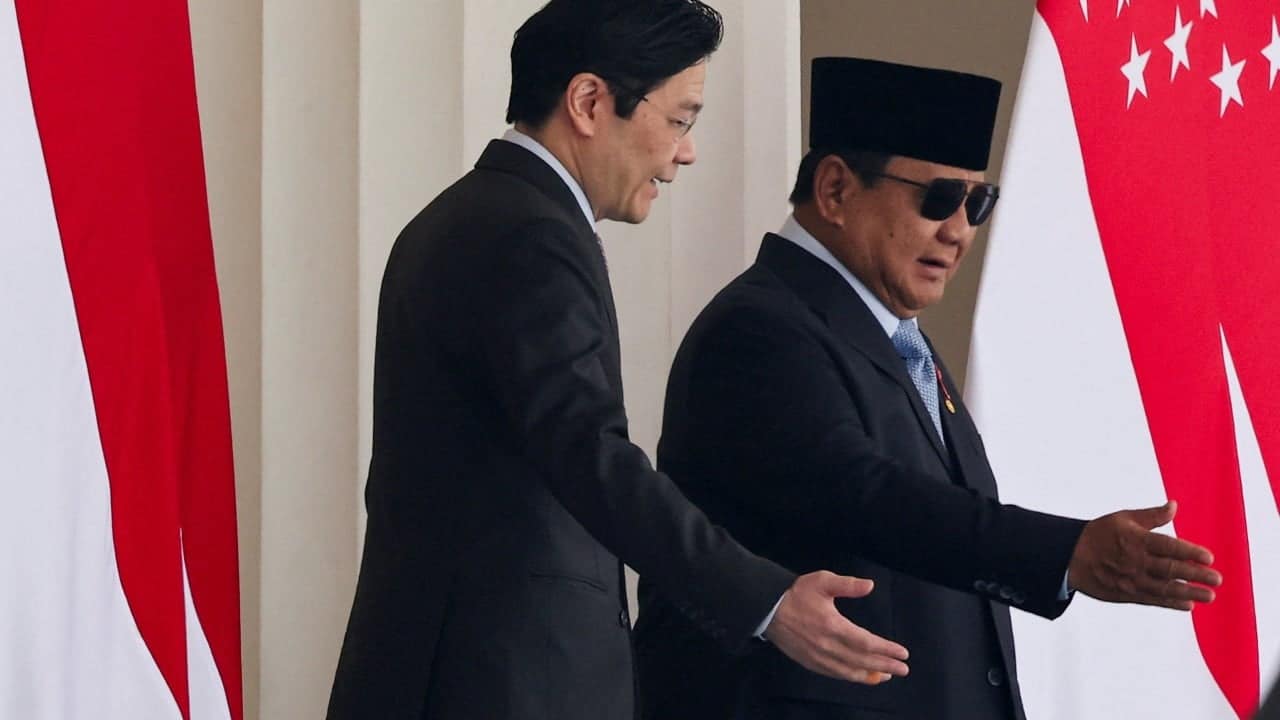
Singapore and Indonesia have signed multiple agreements aimed at strengthening their collaboration on cross-border electricity trade, with a focus on low-carbon imports and interconnector development. The deals were signed during a leaders' retreat in Jakarta.
Indonesia has appointed its sovereign wealth fund, Danantara Indonesia, to lead the cross-border power trade initiative. Danantara's investment arm, Danantara Investment Management, entered into two Memoranda of Understanding (MoUs) with Singapore's Keppel Electric and Sembcorp Utilities to explore cooperation on importing low-carbon electricity. Additionally, Danantara signed an MoU with Singapore Energy Interconnections (SGEI) to facilitate information sharing and cooperation on the commercial and technical aspects of developing cross-border interconnectors.
Ministers from both nations expressed anticipation for the materialization of 3.4GW or more of projects by 2035 on a commercial basis. These initiatives are designed to enhance energy connectivity and support decarbonization efforts for both countries, including by accelerating investments in Indonesia's renewable energy sector. Both nations will work on aligning their regulatory frameworks, policies, and requirements to facilitate cross-border electricity trade and investment.
These recent agreements build upon prior accords established last year concerning cross-border electricity trade, carbon capture and storage, and the creation of a joint sustainable industrial zone. A significant point of ongoing negotiation is electricity pricing, which Indonesia's energy ministry noted is not yet finalized. Indonesia, which currently sets electricity prices under its regulations, aims for an arrangement that creates energy export opportunities and ensures balanced economic benefits.
Furthermore, Singapore and Indonesia plan to develop a cross-border Renewable Energy Certificate (REC) framework to track power trades before physical electricity delivery. This initiative aims to harmonize standards, as Singapore businesses currently use regional RECs that do not meet corporate standards like RE100 without physical interconnections. Participants anticipate that regional RECs recognized under the future framework will command a premium, with current price assessments showing a significant gap between Singaporean and Indonesian solar I-RECs.