All NewsEducationTVBrokers
Equities & FundsCrypto & Digital AssetsAI & TechnologyBusiness & CorporateUS Politics & PolicyGeopolitics & Global RiskMacro, Rates & FXCommodities & EnergyEuropean Politics & MarketsAsia-PacificReal Estate & Property
All NewsHome
← Back to US Politics & Policy

Saudi Arabia preparing to grant IAEA more intrusive powers, Grossi says

Created at 7 Sep · 12:51 PM1 source↑ Market-relevant
IN SHORT

Saudi Arabia is preparing to grant the International Atomic Energy Agency (IAEA) enhanced inspection powers beyond its current obligations, according to IAEA chief Rafael Grossi. While not signing the Additional Protocol, the planned bilateral agreement will provide similar authorizations for sensitive nuclear activities.
Key Numbers

35nation Board of Governors

Who's Involved

Rafael Grossi
IAEA chief
Saudi Arabia
preparing to grant enhanced nuclear inspection powers
International Atomic Energy Agency (IAEA)
nuclear watchdog agency
U.S.
reached civil nuclear cooperation agreement with Saudi Arabia
Arms Control Association
non-proliferation group criticizing the deal
Saudi Arabia preparing to grant IAEA more intrusive powers, Grossi says

↳ Why This Matters

The development signals Saudi Arabia's willingness to provide greater transparency in its nuclear program, potentially easing concerns from non-proliferation advocates regarding its civil nuclear cooperation with the U.S. and its own ambitions in nuclear technology.

Key facts

  • Saudi Arabia is preparing to grant the IAEA additional verification and monitoring authorizations.
  • The planned powers are for sensitive activities including uranium enrichment, conversion, and reprocessing.
  • These new authorizations will be very similar to those provided by the Additional Protocol.
  • The U.S. and Saudi Arabia reached a civil nuclear cooperation agreement in July.
  • The agreement does not include Saudi Arabia signing the Additional Protocol.
  • Saudi Arabia is preparing to grant the International Atomic Energy Agency (IAEA) enhanced inspection powers, according to IAEA chief Rafael Grossi. While Riyadh will not sign the Additional Protocol, which provides sweeping inspection authorities, a bilateral agreement is being developed that will offer similar capabilities for sensitive nuclear activities.

    The U.S. and Saudi Arabia finalized an agreement in July for civil nuclear cooperation, allowing Riyadh to enrich uranium and construct nuclear reactors with U.S. technology. However, non-proliferation groups, including the Arms Control Association, have voiced criticism, noting the absence of the Additional Protocol in the planned "123 agreement." This protocol grants the IAEA powers such as surprise inspections at undeclared sites.

    Grossi stated that while the Additional Protocol would be the "ideal setup," Saudi Arabia is prepared to exceed its existing obligations under its Comprehensive Safeguards Agreement with the IAEA. He indicated that consultations have led to the inclusion of provisions in the bilateral agreement that will grant the agency additional verification and monitoring authorizations, particularly concerning uranium enrichment, uranium conversion, and reprocessing.

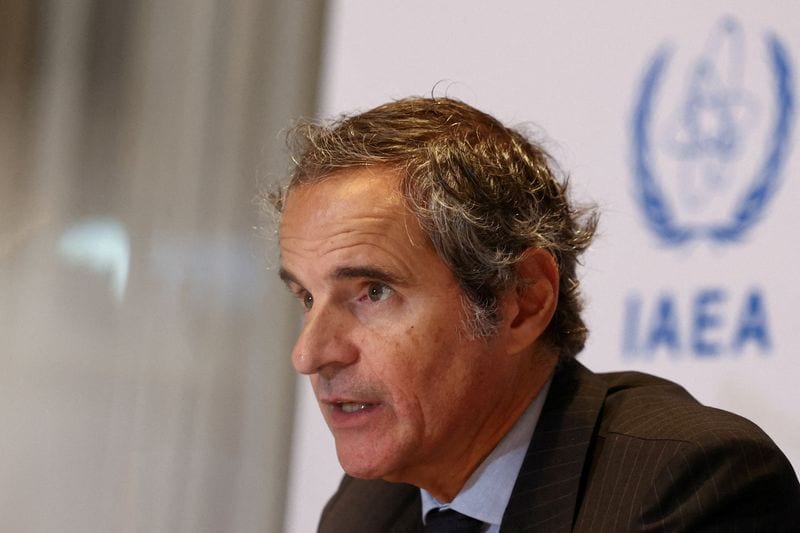
    "These are sensitive activities, as we all know. So for those we are going to have authorisations and capacities which are very, very similar to those that you may find in an Additional Protocol," Grossi told a press conference, without providing further details. Once finalized, the bilateral agreement will be submitted to the IAEA's 35-nation Board of Governors for review.

    Frequently asked questions

    The Additional Protocol is an agreement that grants the IAEA sweeping inspection powers, including the ability to conduct snap inspections at undeclared locations.

    It is a civil nuclear power cooperation agreement reached in July that allows Saudi Arabia to enrich uranium and build nuclear reactors using U.S. technology.

    It provides the IAEA with enhanced verification and monitoring capabilities, which are crucial for ensuring nuclear non-proliferation, especially for sensitive activities like uranium enrichment.

    What Happens Next

    01The bilateral agreement between the IAEA and Saudi Arabia will be presented to the IAEA's Board of Governors.

    How It Developed

    The U.S. and Saudi Arabia reached an agreement on civil nuclear power cooperation in July.
    Non-proliferation groups criticized the U.S.-Saudi deal for not including the IAEA's Additional Protocol.
    IAEA chief Rafael Grossi stated Saudi Arabia is preparing to go beyond its core safeguards agreement.
    Grossi indicated that new provisions will give the agency additional verification and monitoring authorizations for sensitive activities like uranium enrichment.
    These authorizations will be very similar to those found in an Additional Protocol.
    The bilateral agreement between the IAEA and Saudi Arabia will be presented to the IAEA's Board of Governors once finalized.

    Sources

    T1
    Saudi Arabia preparing to grant IAEA more intrusive powers, Grossi saysReuters

    Related Stories

    DP leader calls for stronger security, suggests 'freeze-first' N.K. nuclear approach
    7 Sep · 4:39 AM
    Ex-senior prosecutor tapped as inaugural head of new investigation agency
    7 Sep · 7:56 AM
    China-Mexico ties not aimed at third parties, says Wang Yi
    7 Sep · 9:50 AM
    Indonesian activists condemn reduced sentences for soldiers in acid attack case
    7 Sep · 9:08 AM
    Lee reaffirms commitment to promote N. Korea-U.S. dialogue
    7 Sep · 4:38 AM