Key facts
- South Korea and the U.S. are concluding their Ulchi Freedom Shield military exercise early.
- The exercise duration was reduced from 11 days to five.
- The decision followed a directive from U.S. President Donald Trump.
- Live drills were scaled down from 14 to seven.
- The move is widely interpreted as a conciliatory gesture toward North Korea.
- North Korea dismissed the reduction, stating it does not alter the exercise's aggressive nature.
South Korea and the United States were set to conclude their key military exercise, Ulchi Freedom Shield (UFS), nearly a week ahead of its original schedule. The decision to shorten the exercise from 11 days to five followed a directive from U.S. President Donald Trump, who cited the cost burden and his relationship with North Korean leader Kim Jong-un. Trump stated the drills could send an "inappropriate and hostile" message to Pyongyang.
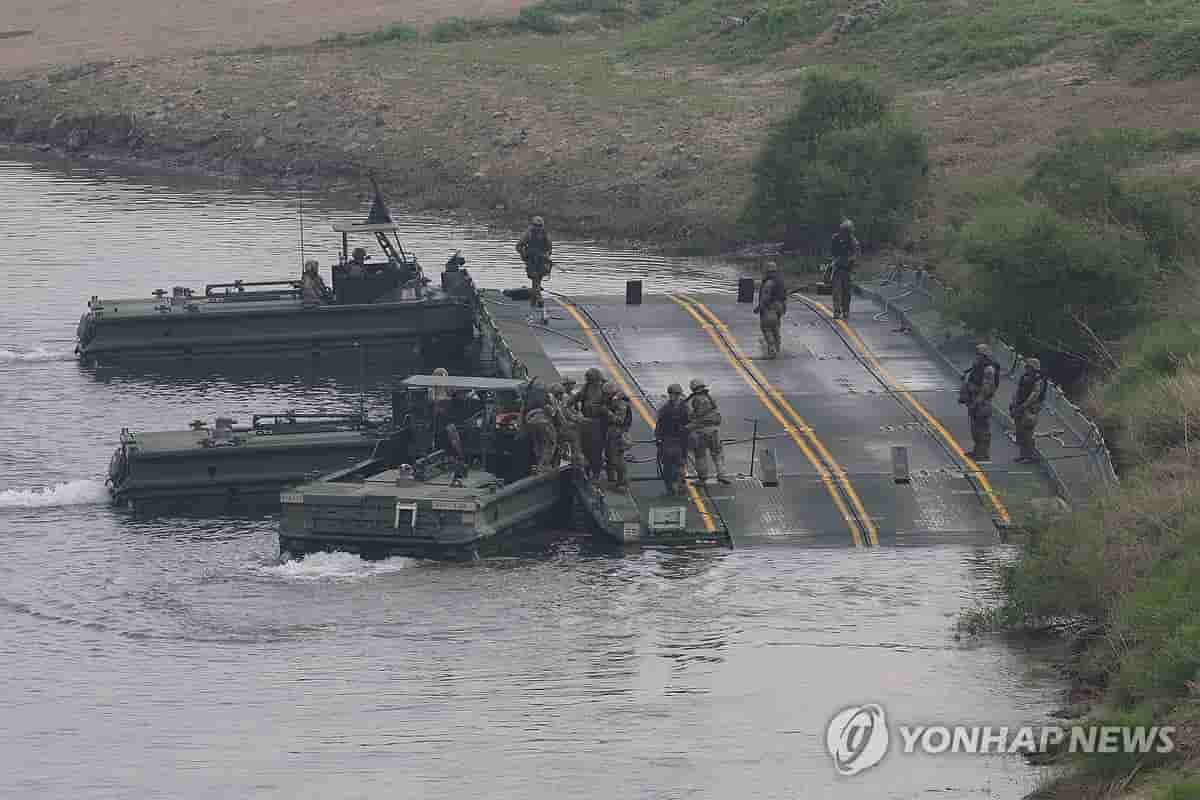
The UFS is one of two major annual theater-level combined exercises conducted by the allies to train for contingencies against North Korea. While centered on computer-simulated command post training, it also incorporates field maneuvers. The live drills have been scaled down from 14 to seven, with the remaining seven exercises to be rescheduled through consultations with Washington, according to an official from the Joint Chiefs of Staff (JCS).
Counterattack-oriented drills, typically held in the second week of the UFS, were canceled, shifting the focus of this year's drills primarily to defensive operations. The reduction in drills is widely seen as a strategic conciliatory gesture aimed at resuming talks with Kim Jong-un. Trump also indicated he expects to meet with Kim later this year.
North Korea, however, has dismissed the reduction, stating it has no interest in the decision and that the move does not change the aggressive nature of the exercise.