Key facts
- South Korea's economy is expected to continue solid growth driven by robust semiconductor exports.
- The Bank of Korea raised its growth forecast to 3.3% for 2026 and 2.9% for 2027.
- Gross domestic income grew 13.2% in Q1 and 15.7% in Q2.
- The central bank raised its benchmark interest rate to 3% in July and August.
- Consumer prices are expected to remain above the 2% target.
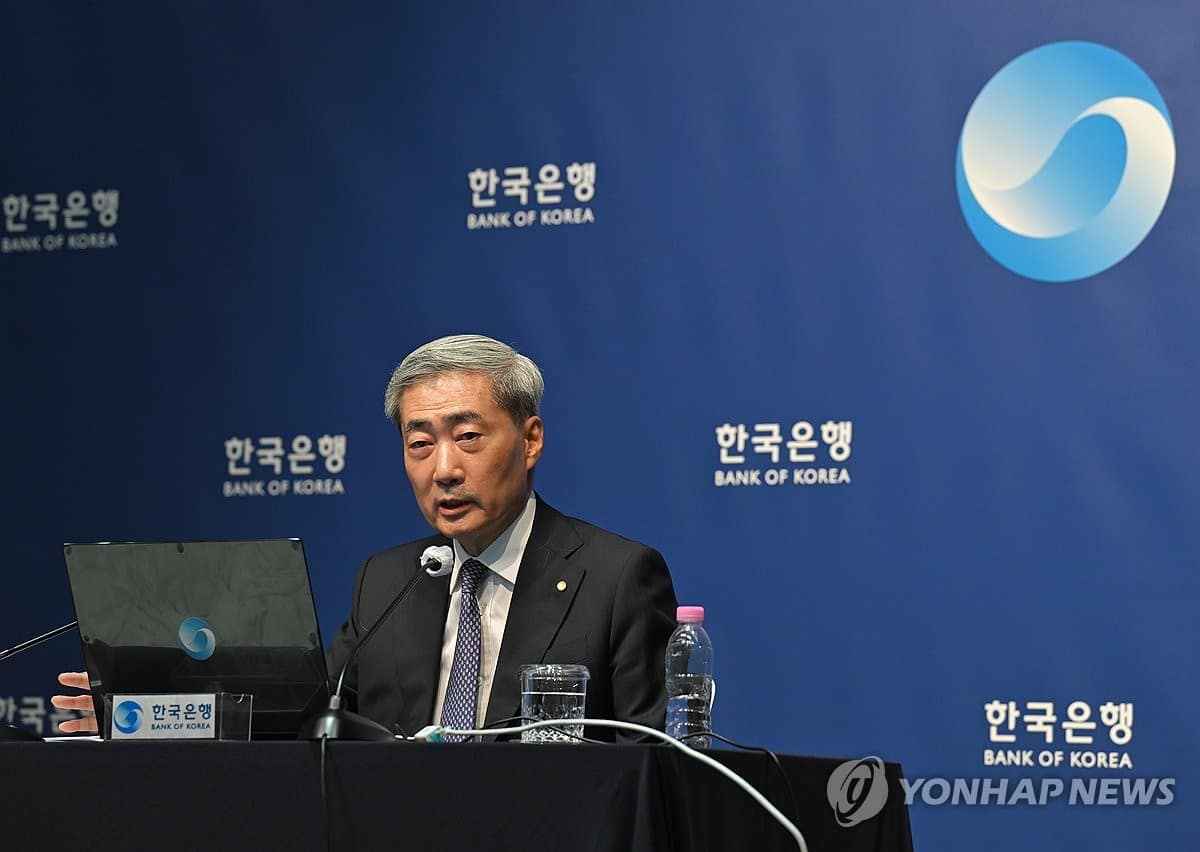
The South Korean economy is poised for continued solid growth, primarily fueled by strong semiconductor exports that are positively impacting the broader economy, according to the central bank. The Bank of Korea (BOK) submitted a report to the National Assembly indicating that the country's growth rate is expected to see a significant increase this year and maintain steady growth next year.
The BOK has revised its growth forecast upward, projecting 3.3% for 2026 and 2.9% for 2027, attributing this optimism to the ongoing semiconductor upcycle and its spillover effects on domestic demand, including consumer spending. Gross domestic income, a measure of total income generated and costs incurred by all economic sectors, demonstrated this strength with a 13.2% increase in the first quarter and a 15.7% rise in the second quarter, a marked improvement from the 3.5% growth in the fourth quarter of 2025.
In response to these favorable economic conditions and to preemptively manage inflationary pressures, the BOK increased its benchmark interest rate to 3% over two consecutive meetings in July and August. The central bank anticipates that consumer prices will likely stay above the 2% target, supported by strong exports and investments that bolster household incomes. Core inflation, excluding volatile energy and food prices, has risen to nearly 3% in recent months, partly due to supply chain disruptions linked to the prolonged Middle East crisis.
The BOK stated that it will closely monitor inflation, economic trends, and financial stability to determine the appropriate timing and pace for any future interest rate adjustments. The bank's next rate-setting meeting is scheduled for October 22.