Key facts
- RSF drones attacked el-Obeid on August 12, injuring at least one civilian.
- The attacks were a response to SAF victories in Bara and surrounding areas.
- El-Obeid, a key city in western Sudan, remains under SAF control.
- SAF aims to secure the strategic Export Road and plans further advances in North Kordofan.
- Residents of el-Obeid have shown resilience despite ongoing conflict and destruction.
The Sudanese city of el-Obeid experienced a sudden escalation of conflict on August 12, 2026, when Rapid Support Forces (RSF) drones reappeared, shattering a fragile sense of normalcy and optimism. The attacks, which injured at least one civilian, were a response to significant defeats the RSF had suffered in Bara and surrounding areas, where the Sudanese Armed Forces (SAF) had made strategic gains. Despite the ongoing violence and destruction, which has been a constant feature of the city for three years, residents of el-Obeid have demonstrated remarkable resilience, striving to maintain daily life.
El-Obeid, the largest city in western Sudan still under SAF control, holds significant strategic importance. It has served as a humanitarian hub and is a key location in the ongoing conflict between the SAF and the RSF, which controls all of Darfur. The SAF's recent recapture of Bara and other areas along the vital Export Road to Khartoum is seen as a crucial victory, potentially opening access for supplies and paving the way for further advances into North Kordofan. A senior military source indicated that the RSF is currently in its weakest position in the region since el-Fasher fell in October 2025, with SAF operations aimed at cutting off RSF supply lines from Libya.
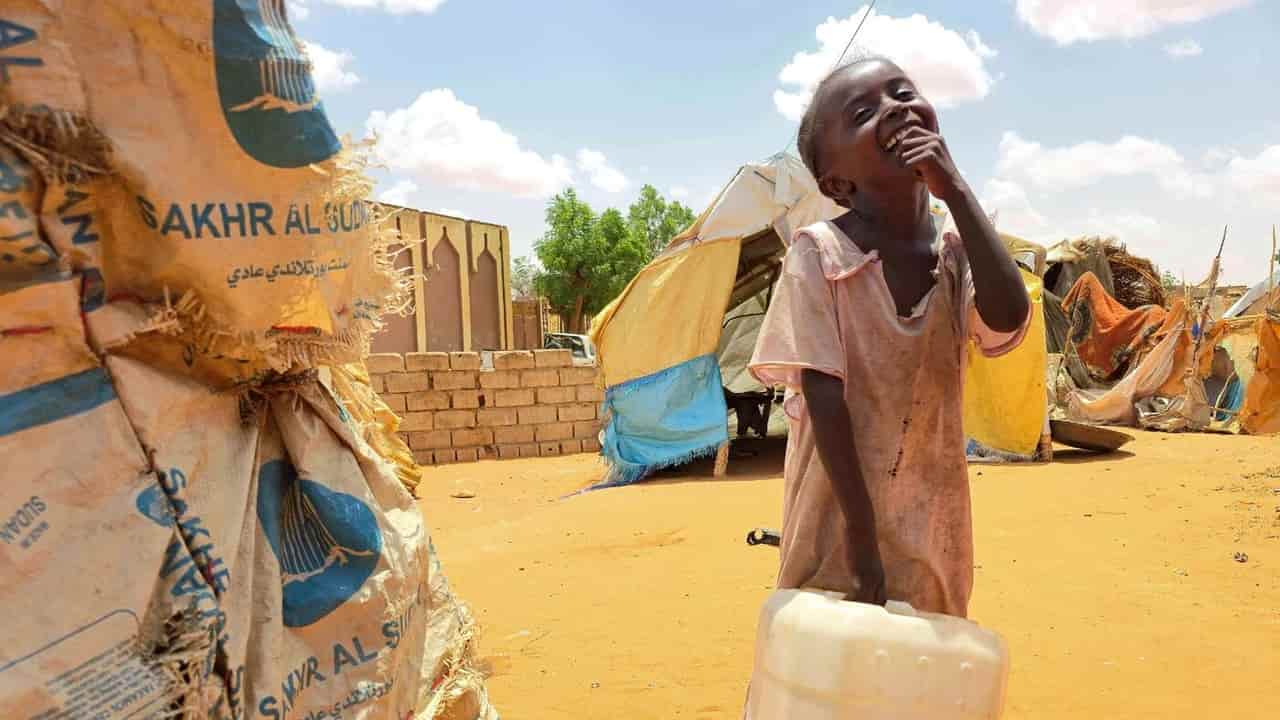
Residents, like taxi driver Ahmed al-Mardi, have adapted to the persistent threat of RSF attacks, expressing a determination not to leave their city. However, the city itself bears the scars of prolonged conflict, appearing filthy and disorganized, with basic necessities often scarce. Hundreds of thousands have fled, while others have sought refuge in el-Obeid, contributing to a large displaced population. Despite the visible destruction and the presence of numerous military personnel and auxiliary forces, daily activities such as school, market operations, and even marriages continue, albeit under the shadow of potential aerial attacks.
Discussion