Key facts
- Renault will assemble new electric vehicle motors in Cleon, France.
- Key components for the motors will be supplied by Shanghai E-Drive.
Renault plans to assemble new electric vehicle motors in Cleon, France, using components from China's Shanghai E-Drive. The move aims to reduce costs amid slowing European EV demand and intense competition from Chinese brands, but has raised concerns about job security at the local factory.
The decision highlights the growing reliance of legacy European automakers on Chinese suppliers for cost-competitive EV components, potentially impacting domestic manufacturing jobs and supply chain independence amid a challenging market.
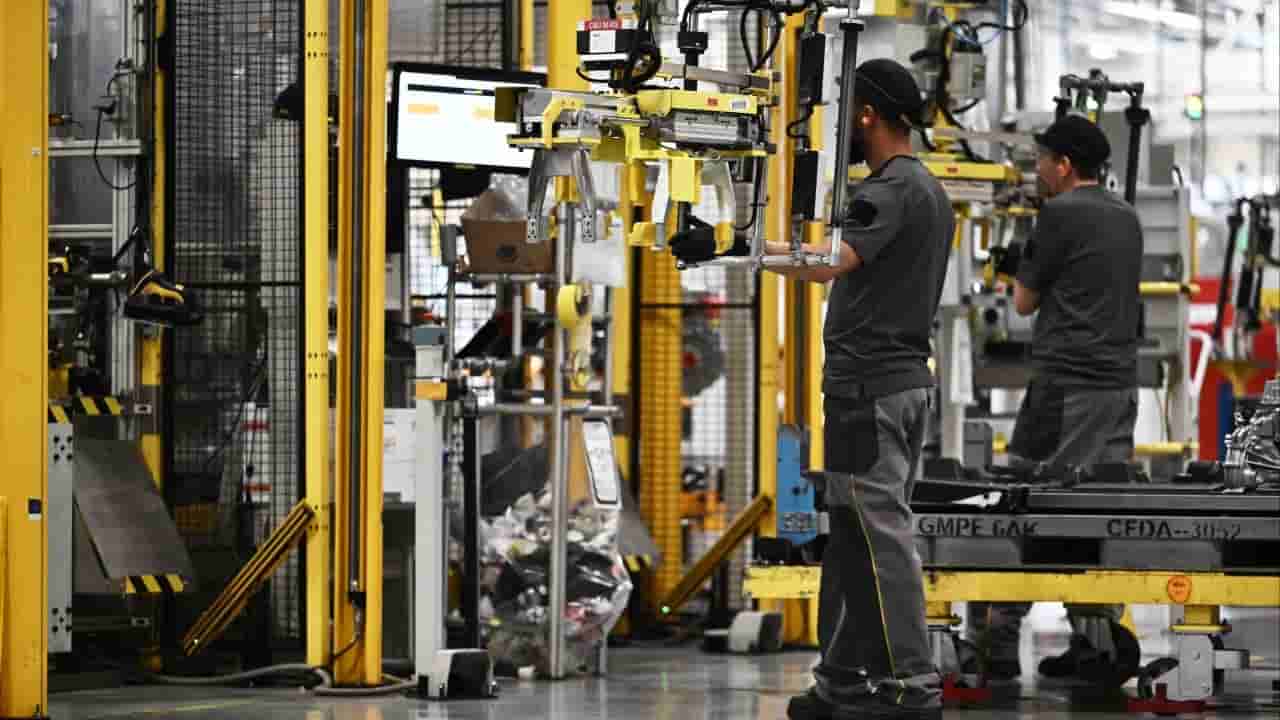
Renault is set to assemble new electric vehicle motors at its Cleon plant in northern France, a move that integrates Chinese technology into its electric vehicle supply chain. The plan involves using key components from Shanghai E-Drive, a major Chinese manufacturer of electric drivetrains, with a dedicated production line to be installed in 2027 capable of producing up to 120,000 motors annually.
This decision reflects the intense cost pressures and slowing demand for electric vehicles in Europe. Established automakers like Renault are increasingly looking to Chinese suppliers to remain competitive against domestic brands entering the European market with aggressively priced models. The company has opted for this lower-cost Chinese alternative despite walking away from a more expensive joint project with Valeo aimed at developing a motor without rare earth materials.
While final assembly will occur in France, preserving some European manufacturing and jobs, the reliance on Chinese components has sparked fears of job losses in Cleon, a town in Normandy whose Renault factory workforce has already significantly decreased over the past decade. Renault CEO François Provost has emphasized that the company's China strategy focuses on technology, engineering, and sourcing rather than retail sales, citing the brutal competitiveness and price wars in China's domestic auto market. This approach allows Renault to leverage China's speed, scale, and cost advantages without direct exposure to the risks of competing in China's consumer car market.
Pick the topics you care about. Get only what matters, on your cadence.