Key facts
- Robert Jenrick, Reform UK's Treasury spokesman, has requested meetings with major UK gilt holders.
- The party aims to present its plans to control borrowing and exercise public sector discipline.
- Jenrick stated that tax cuts would be implemented in a "sensible, measured" manner to foster growth.
- The UK is projected to spend over £110bn on debt interest payments this year.
- Reform UK proposes cutting £80bn from public expenditure, primarily through welfare reforms.
- Tax experts caution that rising borrowing costs could lead to tax increases.
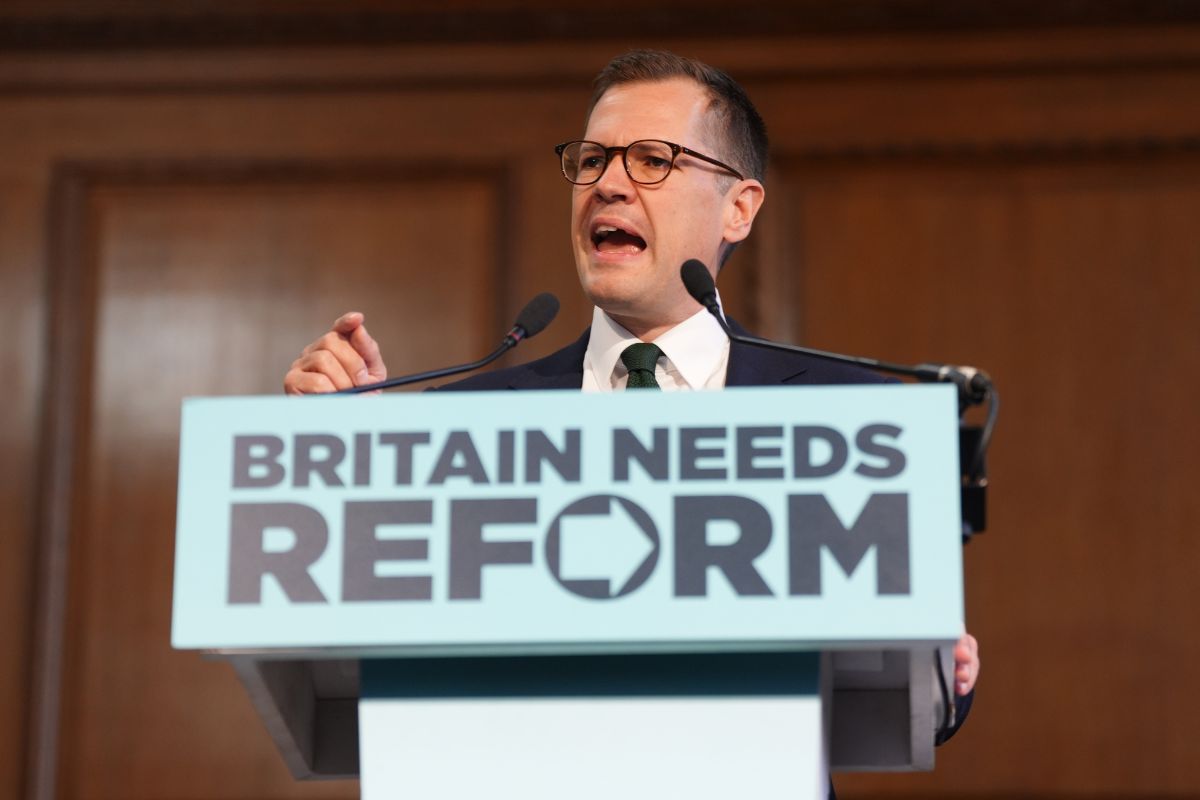
Robert Jenrick, Reform UK's Treasury spokesman, has requested meetings with major holders of UK government bonds, known as gilts, amid concerns over rising borrowing costs and their impact on the nation's public finances. Jenrick stated that tax cuts would be implemented in a "sensible, measured" fashion to boost growth.
In a letter to market participants, Jenrick emphasized the need for fiscal discipline and supply-side reform to control borrowing, tame inflation, and restore confidence, which he believes will lower interest rates and stimulate the economy. Major City institutions, including Citi and JP Morgan, confirmed receiving the letter.
Medium-term gilt yields saw a slight decrease on Thursday after reaching near two-decade highs, driven by worries about the UK's fiscal health and inflation. City analysts suggested that John Healey's fiscal headroom could be reduced by at least £6 billion.
During Reform UK's conference, Jenrick outlined plans for a Reform government to cut £80 billion from public expenditure, with approximately £50 billion coming from welfare reforms. He also stressed the need to reduce government spending across the civil service, estimating potential savings of £30 billion annually in debt interest payments. The UK is projected to spend over £110 billion on servicing its debt this year, a figure expected to rise in the coming years.
One City source indicated that the financial services sector might face potential tax hikes. Tax experts have warned that increased borrowing costs could pressure the government to raise taxes, potentially hindering economic activity if not managed carefully.