Key facts
- Prime Minister Andy Burnham faces fiscal pressures and may consider tax rises in the Autumn Budget.
British Prime Minister Andy Burnham acknowledged that strained public finances may necessitate difficult tax and spending decisions in the upcoming Autumn Budget. July public-sector borrowing reached £1.8bn, adding pressure on Chancellor John Healey, with limited additional borrowing capacity estimated at around £15bn.
The UK's fiscal health and the government's ability to fund its policy agenda are critical for economic stability and public services. Potential tax increases and borrowing decisions will impact households and businesses, while defense spending shortfalls raise questions about international commitments.
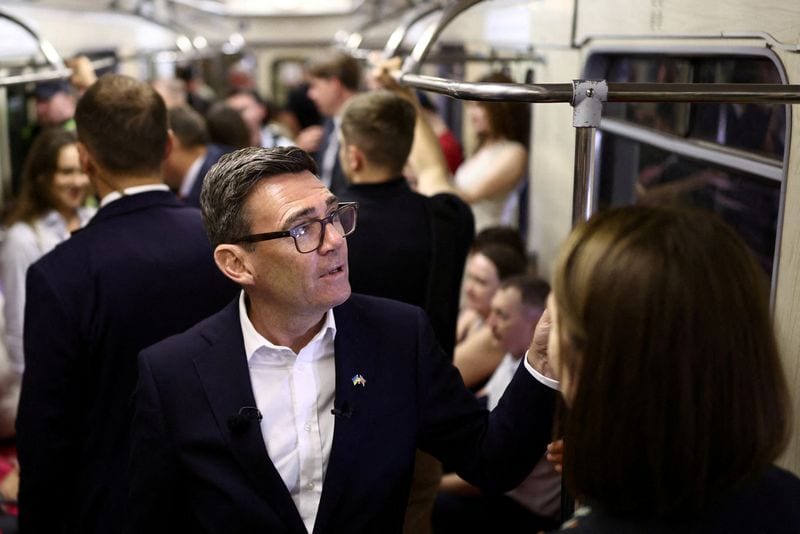
Prime Minister Andy Burnham faces a fiscal reckoning as parliament resumes, with tax rises potentially back on the agenda to fund his ambitious policies. Burnham acknowledged the strained public finances, stating he "won't be unrealistic" about the state of the UK's purse.
July's public-sector borrowing figures came in at £1.8bn, adding pressure on Chancellor John Healey as he prepares his first Budget. Economists at Capital Economics suggest that additional borrowing capacity is limited, estimating that markets might tolerate roughly £15bn under the right conditions. The consultancy also warned that the UK is on track for a deficit above four percent of GDP for the seventh consecutive year.
Burnham, who pledged to provide "breathing space" and ease the cost of living upon taking office, has insisted that his spending packages will be fully funded. He drew on his experience running Greater Manchester with "rock solid finances" to assure careful fiscal management. However, economists have cautioned that Healey will have little capacity for new spending pledges due to increased borrowing costs and the energy price shock.
Beyond the immediate fiscal concerns, the government must also address a £4.7 billion deficit in the Defence Investment Plan. Experts believe this gap is insufficient to meet NATO and Ukraine support commitments, particularly as U.S. support potentially wanes. The government also faces decisions on oil and gas drilling projects and the politically sensitive issue of early prisoner releases to alleviate overcrowding.
Pick the topics you care about. Get only what matters, on your cadence.