Key facts
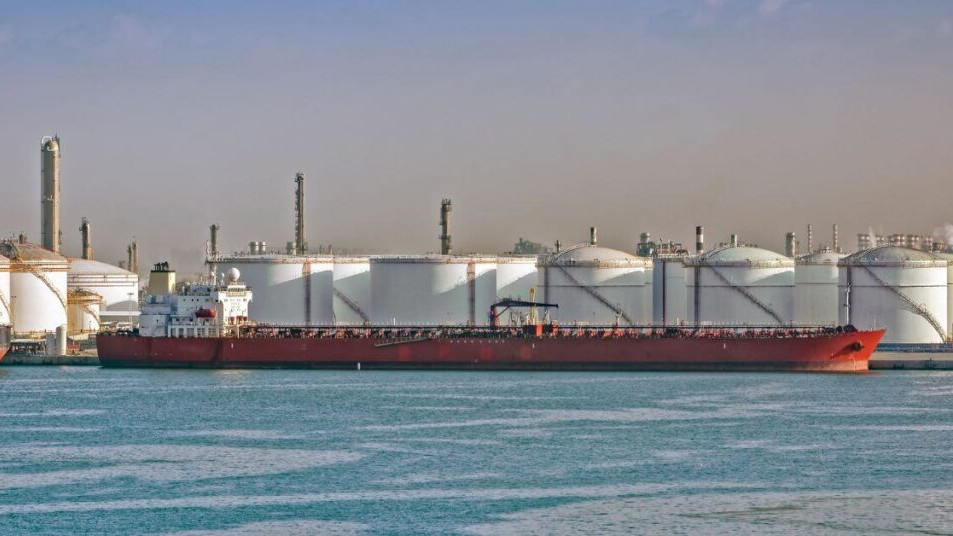
- Record tanker rates have created a shortage of vessels, leading to an oversupply of heavy crude in the Americas.
- Canadian, Colombian, and Ecuadorian heavy crude prices have fallen by about $10 per barrel in recent weeks.
- Freight costs and insurance have reached up to $40 per barrel of crude.
- Heavy crude yields more diesel than lighter grades, contributing to the global diesel crunch.
- Super tanker rates from the Gulf to Asia hit $1.4 million daily earlier this month.
- Shipping costs from the U.S. Gulf Coast to Europe surged to $46 million, or $24.50 per barrel.
Record high tanker rates, exacerbated by Middle East tensions and ship-to-ship transfers, are creating a significant oil logistics problem. This is causing a surplus of heavy crude in the Americas while exacerbating shortages in Asia and Europe, where refiners are balking at the elevated freight costs.
Canada is producing over 5 million barrels of crude daily, with approximately 4 million barrels destined for U.S. refineries. Venezuelan production has also increased. However, high freight costs are dampening demand for these heavy grades, leading to price pressure in Canada, Colombia, and Ecuador. Venezuelan crude, primarily shipped to the U.S. Gulf Coast, is less affected by freight rates.
Prices for flagship heavy crude grades in Canada, Colombia, and Ecuador have each shed around $10 per barrel in recent weeks, according to Argus data cited by Reuters. Western Canadian Select traded at $74 per barrel last week before recovering to $79.50. Ecuador's Oriente grade recovered to over $84 per barrel after falling to $76, and Colombia's Vasconia, which was the most expensive at $84 last week, is also expected to have risen.
These prices, while seemingly attractive compared to Russian Urals ($120/barrel) and Iran Light ($104/barrel), do not account for freight and insurance costs, which have surged to as high as $40 per barrel. This is particularly impactful as heavy crude is in high demand due to a global diesel crunch, as it yields more diesel than lighter grades.
TP ICAP analyst Scott Shelton noted the rising cost and decreasing availability of ships. Super tanker rates from the Gulf to Asia reached $1.4 million daily, while shipping costs from the U.S. Gulf Coast to Europe surged to $46 million, or $24.50 per barrel, a significant increase from $4 per barrel previously. The cost to Asia is even higher, exceeding $40 per barrel.
The combination of stranded heavy crude in the Americas due to freight costs and the ongoing global diesel crunch suggests the market imbalance is likely to persist. The extensive use of vessels for ship-to-ship transfers is expected to keep freight costs elevated, limiting demand for Americas heavy crude in Europe and Asia.