Key facts
- RBNZ held rates unexpectedly, a first outside the pandemic when markets priced a >70% chance of a hike.
- The NZ dollar fell more than 1%, and the Aussie jumped 2% against the kiwi.
- Australia's Q3 inflation rose on higher fuel costs.
- SK Hynix reported a sevenfold rise in quarterly profit, driving memory chip prices.
- Israel's wartime election appeared deadlocked, with exit polls showing neither Netanyahu's camp nor the opposition bloc with a clear path to power.
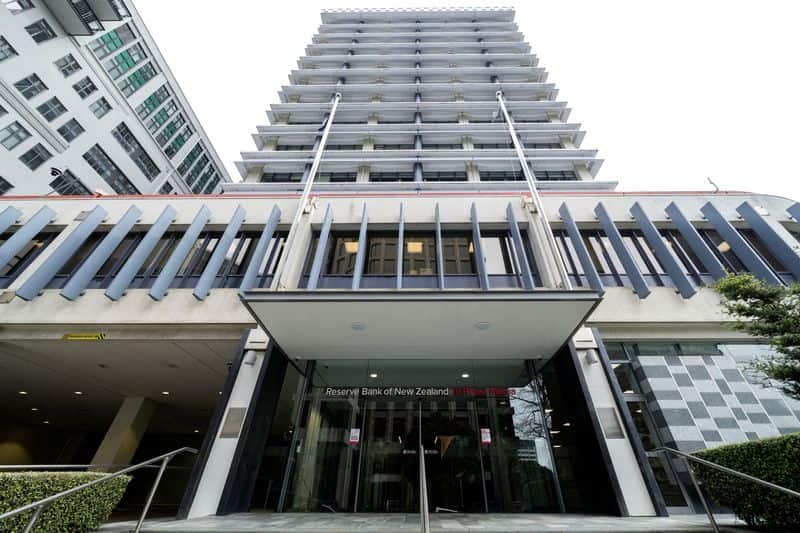
The Reserve Bank of New Zealand surprised markets by holding interest rates steady on Wednesday, a move that sent the New Zealand dollar tumbling more than 1%. The decision, reached by a narrow vote, marked the first time outside the pandemic that the central bank held rates when markets had priced in a more than 70% chance of a hike. This unexpected move by the RBNZ precedes policy decisions from the U.S. Federal Reserve and the Bank of Canada later in the day. Meanwhile, Australia's inflation picked up in the third quarter, while South Korean chipmaker SK Hynix reported a significant rise in quarterly profit, boosting Asian stocks.