A look at the day ahead in European and global markets from Rae Wee
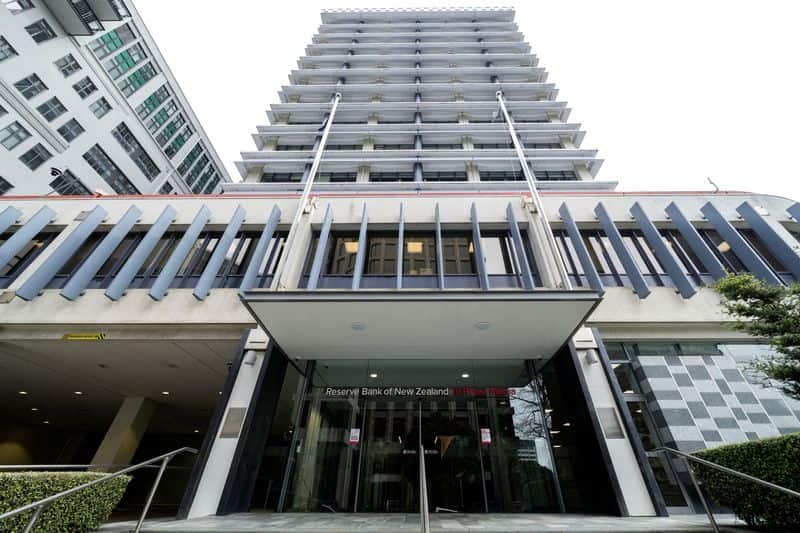
The shocker in Asia's trading day came from the Reserve Bank of New Zealand, which unexpectedly left rates on hold, sending the kiwi sliding.
The decision was by a narrow vote and came with agreement that tighter policy is necessary. But according to Westpac, it's the first time outside the pandemic that the central bank held rates while markets had priced a more than 70% chance of a hike.
The New Zealand dollar tumbled more than 1%, and the news sent the Aussie jumping 2% against its Antipodean counterpart to its highest in 13 years.
Wednesday's RBNZ decision kicks off a slew of central bank policy announcements, with the Federal Reserve and the Bank of Canada set to follow later in the day.
The Fed is widely expected to keep rates on hold, while the BoC is seen hiking by 25 basis points, though that could potentially change.
If anything, the RBNZ's decision suggests policymakers may be comfortable with playing the waiting game, and that markets may have gotten ahead of themselves in pricing in rate hikes globally.
As Commonwealth Bank of Australia's Carol Kong puts it: "Today's decision shows the RBNZ is willing to surprise markets, a reminder that central banks do not take orders from markets."
Down Under, Australia's inflation picked up in the third quarter on higher fuel costs, while stubbornly hot underlying price pressures cemented market expectations of a fifth interest rate hike as soon as next week.
South Korean chipmaker SK Hynix announced shareholder returns of about $75 billion on Wednesday, after reporting a more than sevenfold rise in quarterly profit as AI infrastructure continues to drive up memory chip prices.
The upbeat results kept stocks in Asia well supported, with much now riding on earnings from technology giants Alphabet and Microsoft to sustain the momentum.
Investors are pressing for evidence that the AI boom can deliver swift returns to justify its enormous price tag.
Rising bond yields at AI cloud providers such as CoreWeave and record costs to insure Meta Platforms' debt have amplified concerns about how the massive AI infrastructure buildout is being funded, particularly as higher US interest rates loom.
Meanwhile, Israel's wartime election appeared deadlocked, exit polls showed, with Gadi Eisenkot's opposition bloc running neck and neck with Prime Minister Benjamin Netanyahu's camp, leaving neither side with a clear path to power.
Key developments that could influence markets on Wednesday:
- Federal Reserve rate decision
- Bank of Canada rate decision
- Alphabet, Microsoft earnings
(Editing by Jacqueline Wong)