Key facts
- Qatar and Kuwait have restored 70% of their pre-war crude oil exports via the Strait of Hormuz.
- These nations are using ship-to-ship transfers in the Gulf of Oman to bypass the chokepoint.
- The restored volumes add to similar efforts by Saudi Arabia and the UAE.
- Total oil flows through the Strait of Hormuz have increased to 7-8 million barrels per day.
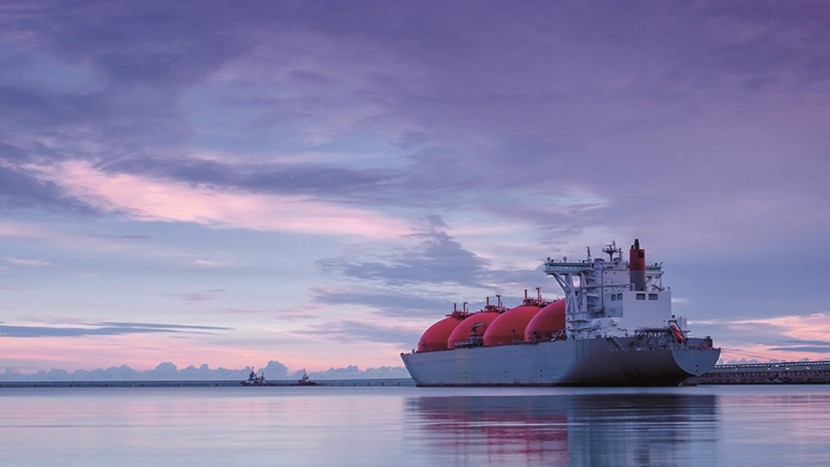
- QatarEnergy extended its force majeure on LNG deliveries into November due to Hormuz blockages.
Qatar and Kuwait have managed to restore approximately 70% of their pre-war crude oil export levels through the Strait of Hormuz, according to anonymous traders. By employing ship-to-ship transfers in the Gulf of Oman and other creative methods, these nations, along with Saudi Arabia and the UAE, are circumventing the chokepoint's disruptions. These efforts have increased total oil flows through the Strait to an estimated 7-8 million barrels per day, up from around 4 million bpd in mid-July. This resilience in crude oil exports has helped to keep benchmark crude oil futures in check, despite tightening global fuel markets. However, QatarEnergy has concurrently extended its force majeure on liquefied natural gas (LNG) deliveries into November due to the ongoing Hormuz blockages, impacting supply to Asia and Europe. Unlike crude oil, LNG cannot be easily rerouted via ship-to-ship transfers, leading to significant price surges in Asian spot LNG and European natural gas markets.