Key facts
- President Trump's conciliatory approach to China is facing resistance from Congress and his administration.
- The USTR is exploring tariff relief for some Chinese goods while also proposing new duties on imports from 60 economies.
- New US-China Boards of Trade and Investment are being established to manage disputes.
- Drones are at the center of a dispute over national security risks in commercial markets.
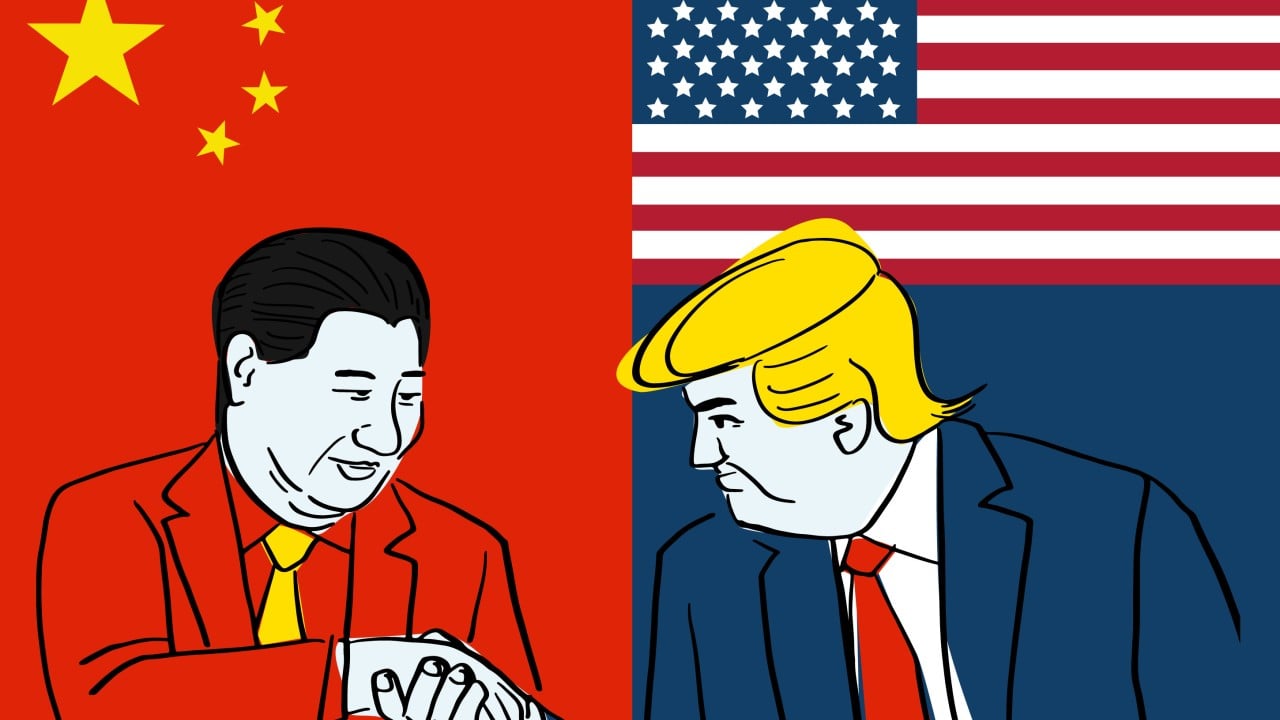
President Donald Trump's recent conciliatory approach toward China has encountered significant pushback from both the U.S. Congress and elements within his own administration. This internal friction comes as the U.S. Trade Representative (USTR) initiated parallel moves: seeking to identify "non-sensitive" Chinese goods for potential tariff relief while simultaneously proposing Section 301 duties on imports from 60 economies, including China, stemming from a forced labor investigation.
These actions represent the initial test for the newly agreed-upon US-China Boards of Trade and Investment, established following the summit between President Trump and President Xi Jinping. The stated goal of these boards is to foster a constructive relationship and manage disputes over tariffs, licensing, drones, rare earths, and market access, aiming for strategic stability based on fairness and reciprocity. While both leaders used vocabulary suggesting restraint, the underlying differences in emphasis highlight the necessity of these institutional mechanisms.
The urgency of defining security risks in commercial markets is underscored by the dispute surrounding DJI, a Chinese drone manufacturer holding over half of the U.S. commercial drone market. The U.S. Federal Communications Commission recently added foreign-made drones to a list of equipment posing an unacceptable risk to national security, illustrating the complex interplay between commerce and security concerns.