Key facts
- Patricia Douglas alleged she was raped by an MGM salesman at a studio party in 1937.
- MGM allegedly initiated a smear campaign against Douglas to discredit her.
- The district attorney at the time was a friend of MGM studio chief Louis B. Mayer.
- A grand jury did not indict the assailant, and Douglas's subsequent civil suit was dismissed.
- Douglas left the film industry following the incident and smear campaign.
- Douglas was featured in the documentary "Girl 27" and spoke with a biographer decades later.
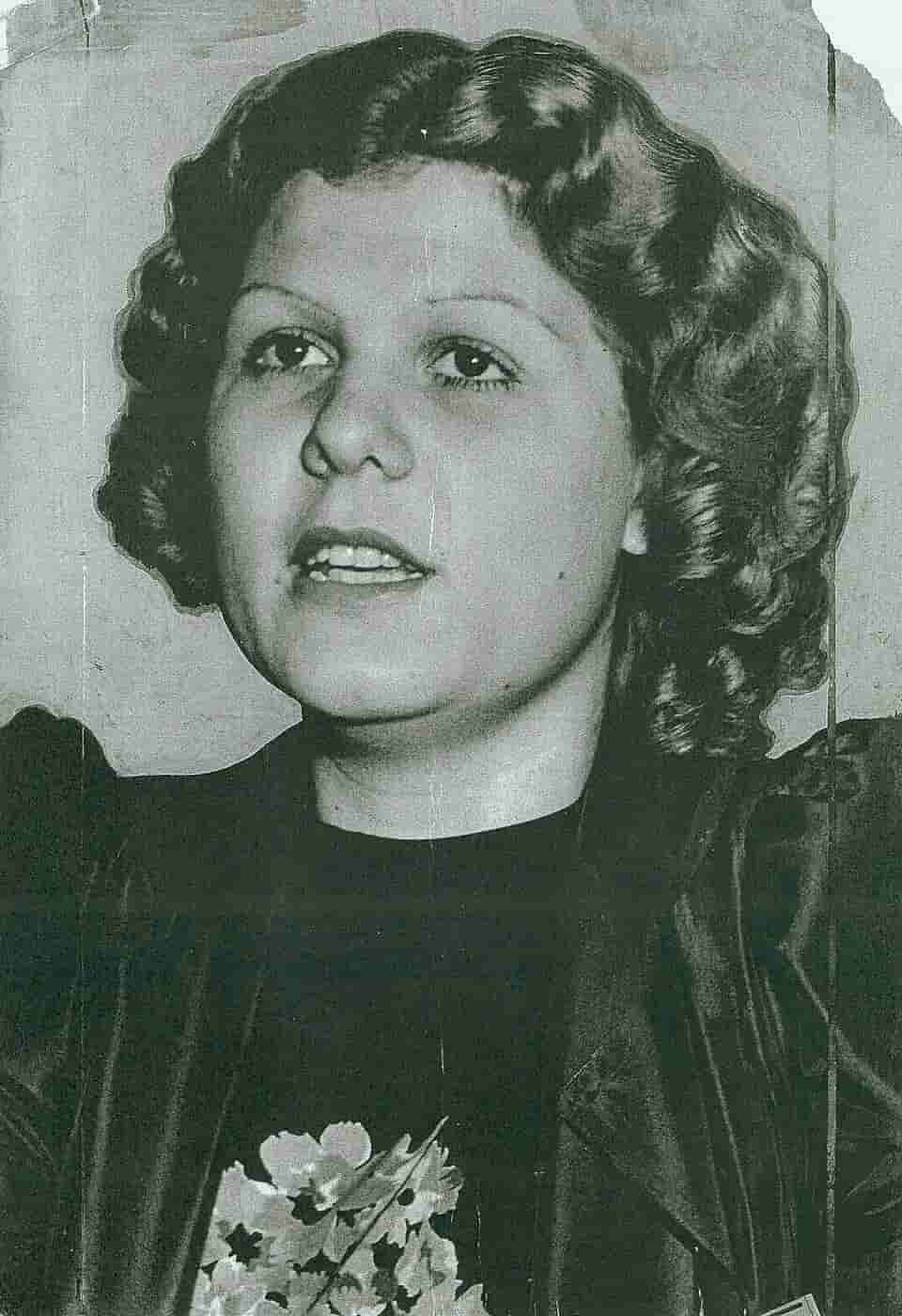
Patricia Douglas, a dancer and movie extra, is being recognized for her early challenge to Hollywood's culture of abuse. In 1937, at the age of 20, Douglas alleged she was raped by David Ross, an MGM salesman, at a studio party. The incident occurred during a convention for MGM sales executives.
Following the assault, Douglas filed a criminal complaint with the Los Angeles County District Attorney's office. However, the district attorney, Buron Fitts, was a personal friend of MGM studio chief Louis B. Mayer, and the case was reportedly ignored. Douglas then sought legal counsel from attorney William J. F. Brown, who issued an ultimatum to Fitts' office.
MGM responded to the brewing scandal by allegedly initiating a smear campaign against Douglas, aiming to tarnish her reputation. Despite the controversy, a grand jury ultimately refused to indict Ross. Douglas then filed a civil suit against studio personnel and party attendees.
However, her civil case was dismissed for want of prosecution when her attorney, Brown, failed to appear in court. Speculation suggests Brown may have feared that litigating the case would undermine his own campaign for district attorney against Fitts. As a result of the rape and the subsequent smear campaign, Douglas left the film industry and experienced significant mental and emotional trauma.
Decades later, biographer David Stenn discovered Douglas was still alive while investigating the 1937 incident. She appeared on camera 65 years after the assault for the documentary "Girl 27," which documented her experience and the subsequent cover-up.