Key facts
- Benjamin Netanyahu announced Israeli forces will remain in southern Lebanon indefinitely with full freedom of action.
- Netanyahu vowed to prevent Iran from acquiring nuclear weapons.
- Lebanon's health ministry reported over 4,106 deaths from Israeli attacks since March 2.
- Pakistan's defense minister stated an Iran-US deal could lead to Netanyahu's political demise.
- Netanyahu called for strengthening Israel's military autonomy and lessening reliance on US weapons.
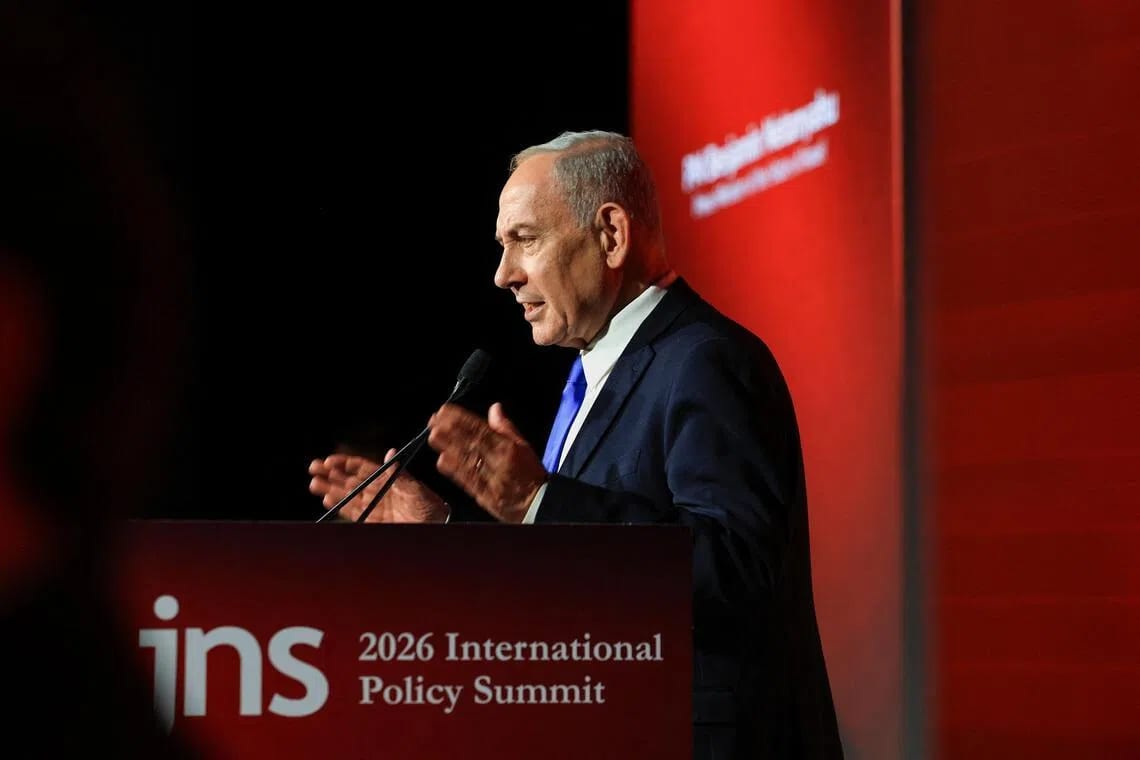
Israeli Prime Minister Benjamin Netanyahu declared that Israeli forces would continue to operate with unrestricted freedom in southern Lebanon and maintain their presence indefinitely. Netanyahu emphasized that his military instructions remained unchanged, asserting that Israeli troops have "no restrictions on this matter" and possess "full freedom of action to thwart any direct or developing threat." He reiterated Israel's commitment to maintaining a "security zone" in southern Lebanon "for as long as is required." Netanyahu also vowed to prevent Iran from acquiring nuclear weapons, stating that as long as he serves as prime minister, this will not happen. He claimed that Israel's actions had dealt severe blows to Iran's Revolutionary Guard Corps and created conditions for the regime's potential fall. He further asserted that Israeli forces were targeting "Hezbollah terrorists" in Lebanon while striving to minimize civilian casualties, claiming a ratio of five terrorists killed for every civilian harmed. Lebanon's health ministry, however, reported that Israeli attacks since March 2 have resulted in 4,106 deaths in Lebanon, including health and emergency workers, and over 12,100 wounded.
Pakistan's defence minister Khawaja Muhammad Asif described an emerging agreement between Iran and the United States as a significant setback for Israel, arguing that its successful implementation could have major political consequences for Netanyahu. Asif accused Israel of actively seeking to undermine the diplomatic process between Washington and Tehran, stating that reaching a comprehensive agreement could lead to "the political demise of Netanyahu" and potentially expose him to legal consequences. Asif also accused Western governments of supporting Israeli policies in the occupied Palestinian territories and Lebanon, claiming that Israel's allies had enabled actions that have drawn widespread international criticism. US Vice President JD Vance defended an agreement between Washington and Tehran related to regional conflicts, rejecting suggestions that the US is imposing a settlement and stating the deal was something the region had "desperately asked" the US to put in place, despite the negotiations not including representatives from Israel or Lebanon.
Netanyahu also called for strengthening Israel's military autonomy, stating during a meeting with reserve officers that "I want independence in terms of arms" and that "We need our own autonomous weapons system. We must manufacture our own weapons."