Key facts
- Nepal declined foreign search and rescue aid for flood operations.
- South Korean rescue teams are continuing to search for nine missing nationals.
- Nepal has restricted helicopter flights for search efforts.
- The foreign minister stated Nepal needs foreign technical expertise, not general search and rescue aid.
- Over 600 people have died and approximately 2,500 are unaccounted for due to the floods.
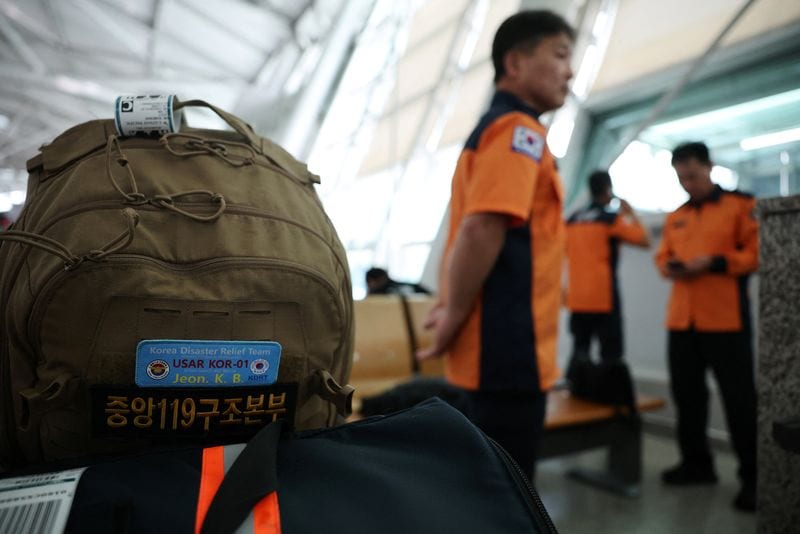
South Korean response teams continued searching for nine nationals still missing after devastating flash floods in Nepal, attempting to reach the site using helicopters and drones. Six employees of Doosan Enerbility Co. and three of Korea South-East Power Co. remain unaccounted for following the massive floods in Nepal's north-central Himalayan border area, where they were working at a construction site when the floods struck. Ten other Doosan workers who had been isolated at a different location have been moved to safety. A South Korean government response team in Kathmandu on Friday unsuccessfully sought to deploy chartered helicopters to the flood site where the missing Koreans might be located. Nepali authorities restricted the flights, citing unpredictable weather conditions and risks of further flooding, a Seoul official said. The team has rented six choppers to search for the missing as the floods have destroyed roads and bridges. Lim Sang-woo, head of the government rapid response team, vowed to make all-out efforts to ensure swift search and rescue operations for the missing Koreans. The Nepali military has conducted a search operation in and around the possible locations using the coordinates provided by the response team, but there were no signs of the missing people, according to Seoul officials. Nepal's foreign minister stated that the country needs foreign help in specialized and technical areas where it lacks expertise following the floods, but not in search and rescue operations. The death toll from the catastrophic floods has reached almost 600, with nearly 2,500 others unaccounted for. Fears of secondary flooding are rising as barrier lakes, created by debris from the collapsed Himalayan glacier that triggered the initial floods, have started to overflow.