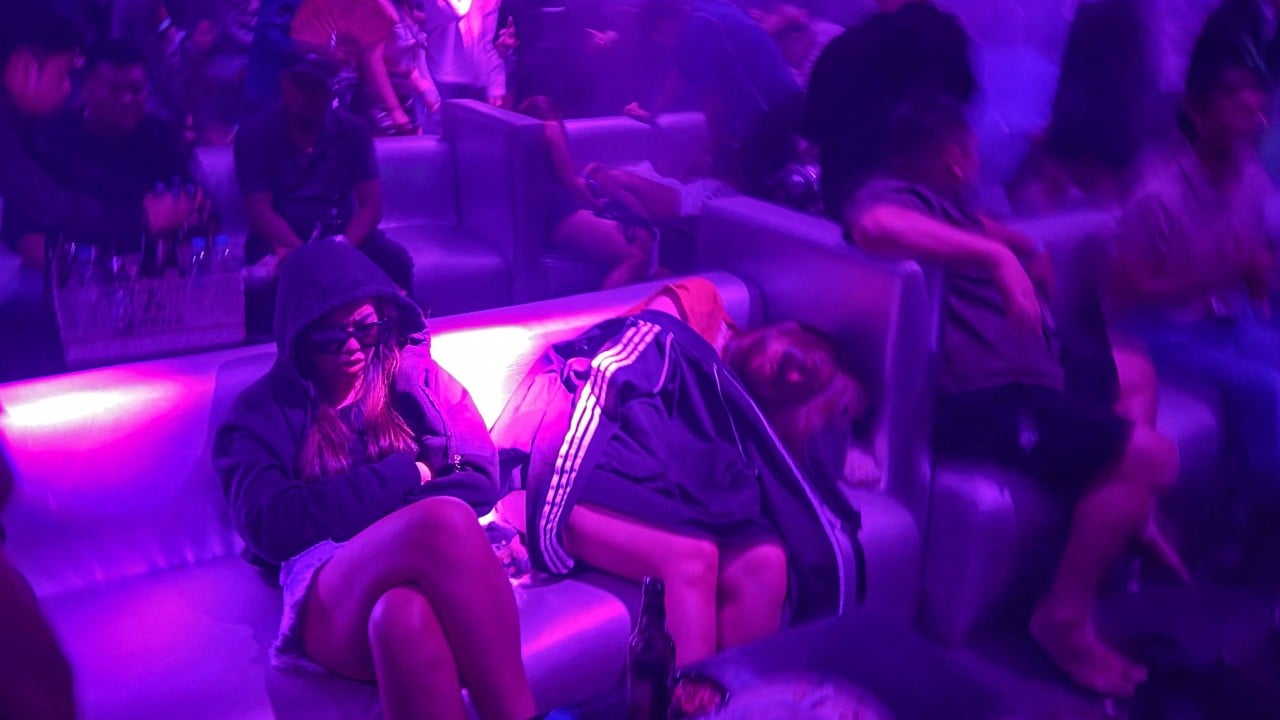
In Yangon, Myanmar, a vibrant yet clandestine nightlife scene is unfolding, starkly contrasting with the military junta's assertions that the country has returned to normalcy. Despite the lifting of a post-coup curfew, revellers in packed nightclubs remain hesitant to travel home late, citing fears of arbitrary detention or conscription amid the ongoing civil war. This furtive social scene highlights the deep-seated anxieties prevalent in a nation grappling with conflict and political instability.
Junta officials point to the installation of a new government and the cessation of Yangon's 1 a.m. to 3 a.m. curfew as evidence of restored order. However, these claims are undermined by the reality on the ground. Elections were tightly controlled, excluding key opposition figures like Aung San Suu Kyi, and the commander who led the coup remains in power. The civil war, ignited by the putsch, continues to rage across the country.
Data from a 2025 UN report indicates that the rate of young people feeling "unsafe" or "very unsafe" walking alone at night has more than doubled to 40 percent since the coup. This pervasive sense of insecurity fuels the demand for nightlife as an outlet for stress, yet simultaneously restrains it. Singers like Sae Sar note that this tension contributes to the contradictory nature of Yangon's social scene, where "life is short as a drying drop of water."