Key facts
- Muslim youths in India are urged by some to avoid participating in protests due to fears of harassment and false charges.
- Muslim student activists have faced prolonged detention without trial and home demolitions.
- The CJP movement, founded by Abhijeet Dipke, aims to focus on education and employment over religious issues.
- Author Vinayak Damodar Savarkar laid the ideological foundations of Hindutva in 1923.
- Prime Minister Narendra Modi has made Muslims a target of his political campaigns.
- The CJP movement is criticized for not acknowledging the specific political challenges faced by Muslims in India.
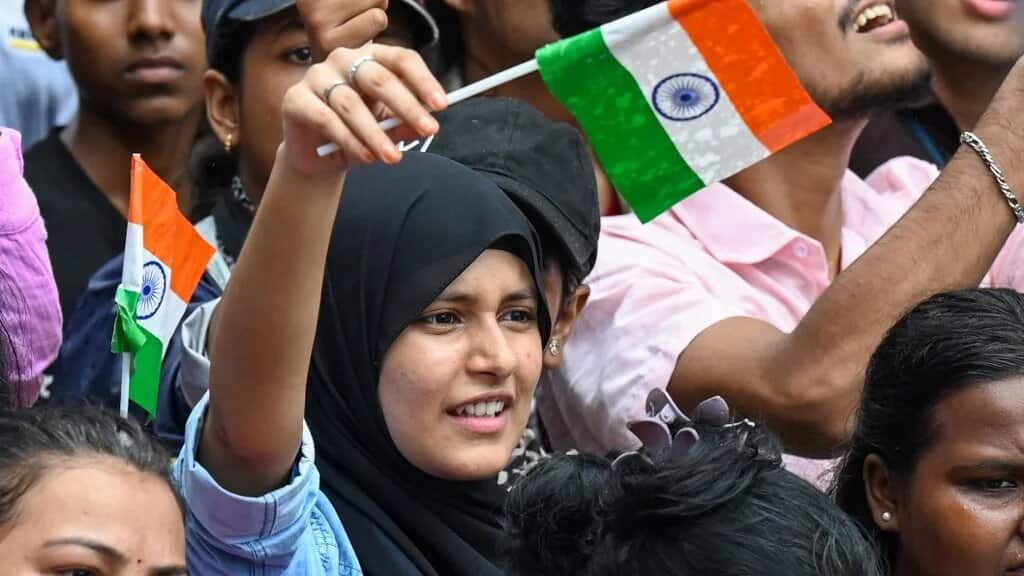
Muslim youths in India are increasingly hesitant to participate in protests, including the recent 'Cockroach' Janta Party (CJP) movement, due to fears of harassment, false charges, and intimidation. While the CJP movement focuses on issues like exam failures and unemployment, many Muslim students feel compelled to weigh the potential consequences of their political engagement.
Mosque announcements have cautioned young Muslims to stay away from protests, not due to ideological differences with the movements, but because of past experiences with police targeting, surveillance, and violence. The history of Muslim activists languishing in jail without trial, facing home demolitions, and being subjected to arrests under anti-terrorism legislation after political mobilization informs this caution. The crackdown following protests against the Citizenship Amendment Act, which culminated in communal violence in Delhi in February 2020, serves as a stark reminder.
The CJP movement, founded by Abhijeet Dipke, advocates for focusing on education and employment rather than Hindu-Muslim issues. However, the article argues that for Muslims, communal politics is inseparable from these broader concerns, affecting how they are perceived, policed, and how their actions are interpreted. The ideological foundations of Hindutva, dating back to Vinayak Damodar Savarkar's work in 1923, and Prime Minister Narendra Modi's political approach have embedded majoritarian politics into the country's institutions and daily life.
This environment, characterized by vigilante attacks, unlawful demolitions, and inflammatory language from the government, makes participation in protests a calculated risk for Muslim students. The article criticizes movements that avoid naming Muslims or discussing Muslim political prisoners, arguing that this approach fails to acknowledge the reality of communal politics. It concludes that a healthy democracy must consider who can protest safely, not just how many people participate, highlighting the gap between the constitutional right to protest and the unequal safety of exercising it for different communities in India.