Key facts
- Some music labels are suing AI music generators like Suno, while others are partnering with them.
- Industry groups, including the RIAA and Grammys, are advocating for labeling and compensation for AI-generated music.
- Apple Music and Spotify are implementing labels for AI-generated content.
- AI-generated music has achieved commercial success, reaching Billboard charts and securing record deals.
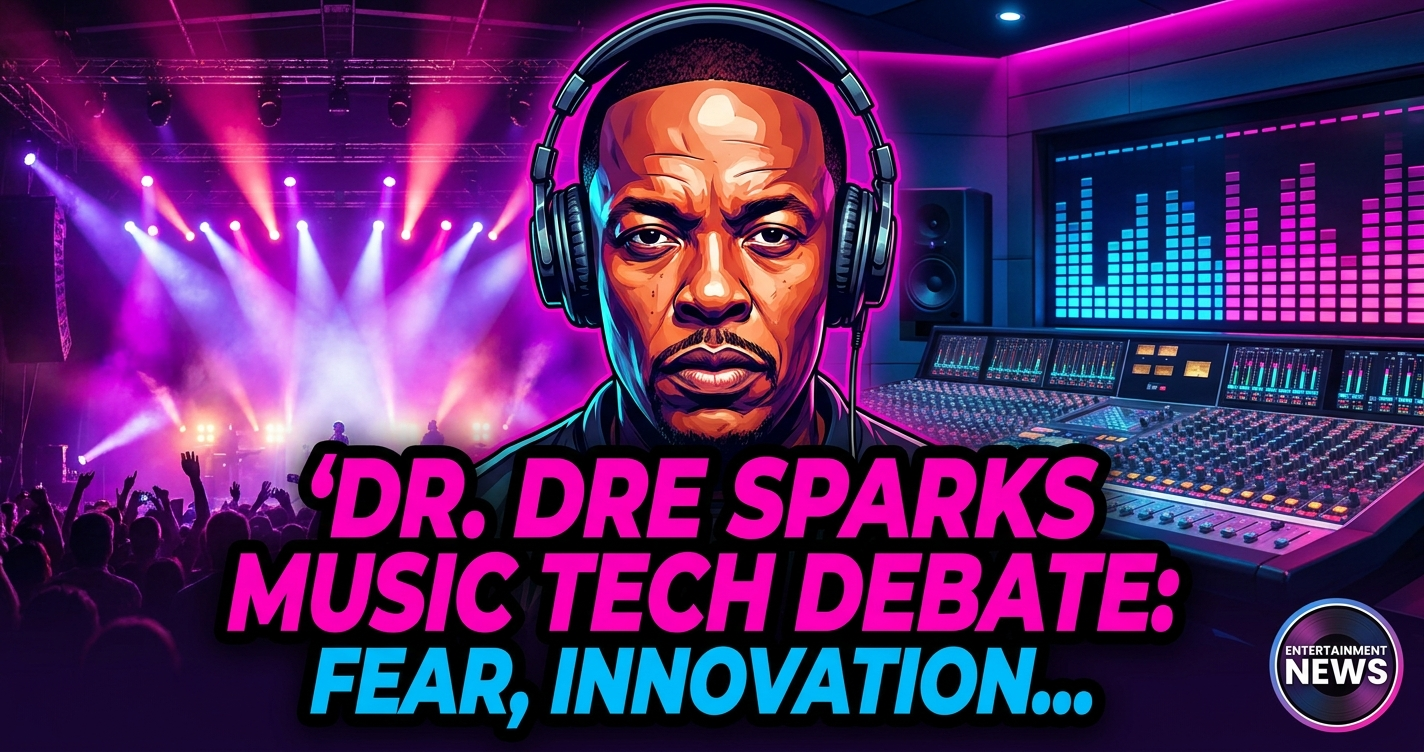
- Dr. Dre has suggested that fear of new music technology may stem from artists' own creative limitations.
The music industry is experiencing a significant disruption as artificial intelligence technologies rapidly advance, leading to a divided response from labels and artists. While some entities are pursuing legal action against AI music generators like Suno, citing concerns over intellectual property and fair compensation, others are embracing these tools through partnerships and even signing AI-created artists.
This tension was amplified by producer Dr. Dre's suggestion that artists apprehensive about new music technology might be facing creative limitations. His perspective, rooted in a career of technological innovation, challenges the notion that AI inherently stifles creativity. However, this viewpoint contrasts sharply with the broader industry's efforts to establish guardrails against what many perceive as a threat to artists' rights and livelihoods.
Major players are actively seeking solutions. Apple Music and Spotify are introducing labels to identify AI-generated songs and artist profiles, aiming for greater transparency. A powerful coalition, including the RIAA, IFPI, the Grammys, and SAG-AFTRA, is collectively pushing for an industry-wide labeling program and robust legal frameworks to ensure artists are credited and compensated for the use of their work in AI training data.
AI's impact is already evident in commercial successes. AI-generated tracks have charted on Billboard, garnered millions of streams, and led to record deals, such as Hallwood Media signing an artist who uses Suno. Producer Timbaland has also launched an AI-focused label in partnership with Suno. The AI R&B artist Xania Monet has achieved mainstream recognition, with her creator emphasizing the human emotion behind the lyrics, underscoring the complex nature of AI's role in music creation.
Historically, the music industry has adapted to technological shifts, from the advent of sampling and Auto-Tune to the digital distribution revolution. Each innovation brought its own set of fears and opportunities, ultimately reshaping the creative and business landscape. The current AI wave presents a similar, albeit more profound, challenge, forcing a re-evaluation of authenticity, ownership, and the future of human artistry in music.