Key facts
- Moroccan Minister Ahmed Toufiq referred to Ceuta as an 'occupied city' during a public ceremony.
- Toufiq's remarks were linked to historical Moroccan resistance against Portuguese and Spanish expansion.
- Spanish Migration Minister Elma Saiz asserted that Ceuta and Melilla are Spanish territories.
- Morocco's justice minister had previously claimed a 'historical and geographical right' to Ceuta and Melilla.
- Spain has categorically rejected any challenge to its sovereignty over Ceuta and Melilla.
Moroccan Minister of Habous and Islamic Affairs, Ahmed Toufiq, questioned Spain's sovereignty over the enclave of Ceuta, referring to it as an 'occupied city' during an official ceremony. His comments, made in the presence of King Mohammed VI, referenced historical Moroccan resistance against European expansion.
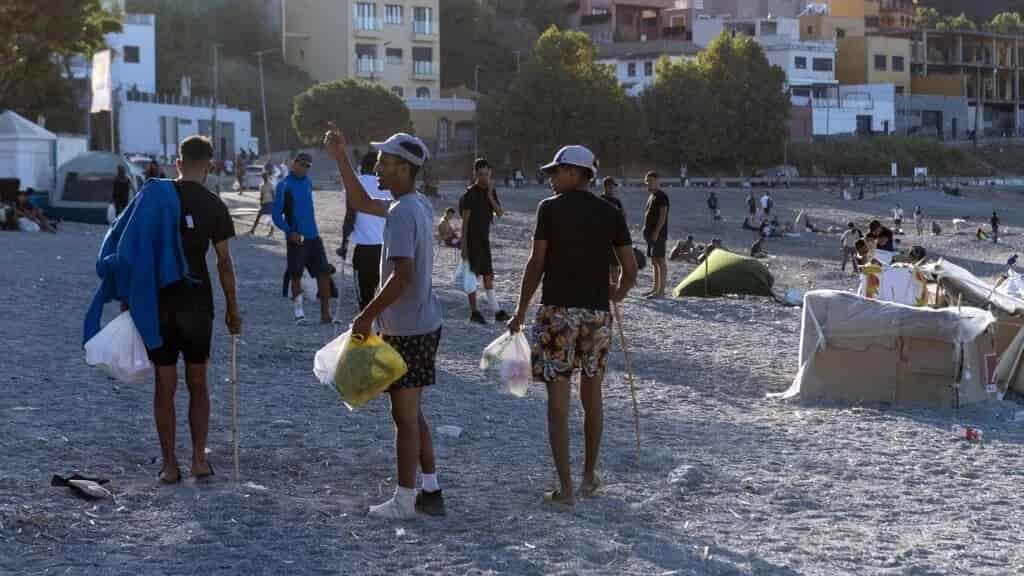
Toufiq's remarks drew anger in Spain, which has recently grappled with a significant influx of migrants attempting to enter Ceuta. Spanish Migration Minister Elma Saiz responded by stating, 'Ceuta and Melilla are Spanish.'
This incident follows similar assertions from Morocco's justice minister, Abdellatif Ouahbi, who invoked Morocco's 'historical and geographical right' to the Spanish autonomous cities and proposed a bilateral commission for their 'return to the homeland.' Madrid has unequivocally rejected any challenge to its sovereignty over Ceuta and Melilla.
Ceuta and Melilla are Spanish autonomous cities located on the northern coast of Morocco, forming the only land borders between the European Union and Africa. Rabat has historically not recognized Spanish sovereignty over these territories. The July crisis saw a large number of migrants, including unaccompanied minors, cross into Ceuta, leading to emergency measures by Spain.