Middle East instability underlines risks, says BoE Governor Bailey
IN SHORT
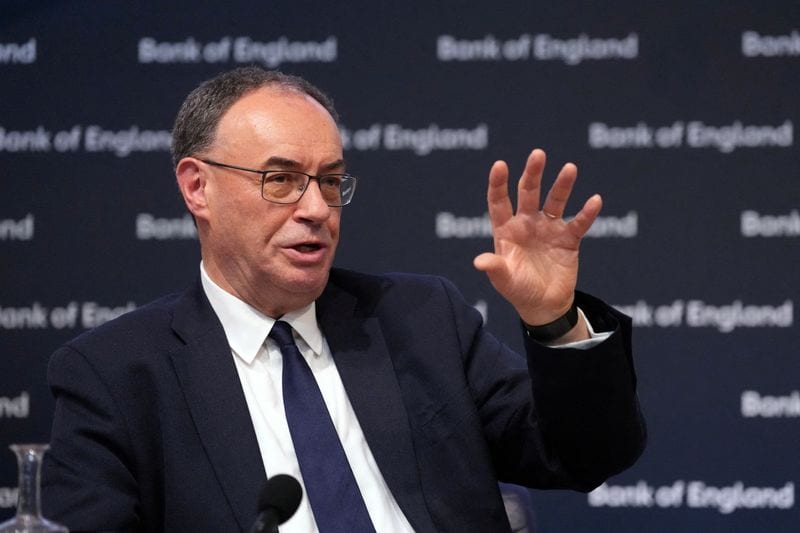
Bank of England Governor Andrew Bailey highlighted financial stability risks due to renewed Middle East hostilities. Separately, ECB policymaker Martin Kocher noted no current second-round inflation effects from the conflict but readiness to act.
Key Numbers
5.2%UK borrowing as % of GDP last year
4.2%UK borrowing as % of GDP this year
5%10-year UK government debt yield
£23.6bnHeadroom set aside for fiscal rules
£4.7bnAdditional funding for defence over four years
Who's Involved
Andrew Bailey
Governor of the Bank of England
Martin Kocher
ECB policymaker and Austrian central bank governor
Rachel Reeves
Chancellor of the Exchequer
↳ Why This Matters
Heightened geopolitical tensions in the Middle East can directly impact global financial stability and inflation expectations, prompting central banks to remain vigilant and prepared to adjust monetary policy.