Key facts
- Micro dramas are short-form, serialized video content designed for mobile viewing.
- Consumers are projected to spend as much as $14 billion on micro dramas this year.
- CandyJar, a US-based company, is seeing significant growth in the micro drama space.
- Inkitt, which owns CandyJar, is developing AI-generated content for micro dramas.
- TikTok is actively exploring ways to integrate micro dramas into its platform.
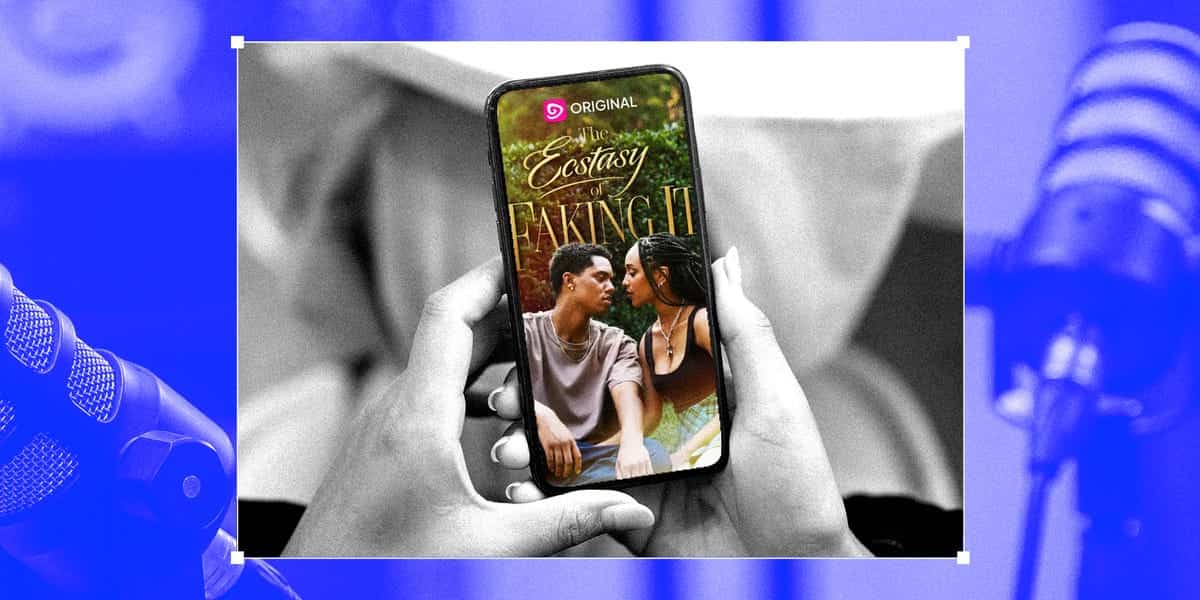
Micro dramas, characterized as low-budget, serialized movies cut into one-minute segments for mobile viewing, are experiencing a significant boom, with consumer spending potentially reaching $14 billion this year. While the genre has flourished in China, it is now making inroads into the US market, with platforms like Peacock adding them and companies like CandyJar reporting rapid growth.
Ali Albazaz, CEO of Inkitt, which owns CandyJar and launched the AI-driven Ironblood micro drama vendor, believes the format has the potential for substantial expansion in the US. He notes that micro dramas offer serialized storytelling not typically found in user-generated content on platforms like TikTok or Meta's Reels, which provide free, algorithmically curated short-form entertainment.
Albazaz acknowledges the competitive landscape, with platforms like TikTok and Meta potentially seeking to dominate the micro drama space themselves. TikTok is already testing various approaches, including ad-supported and subscription-based models for micro dramas. He also highlighted the cost-effectiveness of using AI in production, particularly for action and superhero genres, allowing for the creation of content that would otherwise be prohibitively expensive.
While many micro dramas are perceived as low-quality, CandyJar aims to differentiate itself with higher production values. The company's romance-focused CandyJar targets women, while the newer Ironblood, with its action-adventure themes, leverages AI and has a significantly lower production budget. Inkitt's broader vision is to become an operating system for storytellers, enabling them to create content across various formats, from books to movies and potentially theme parks.