Key facts
- Mexico City is doubling security and capping crowds at public viewing areas after four fan deaths.
- Mexico aims to reach the World Cup quarterfinals for the first time in 40 years.
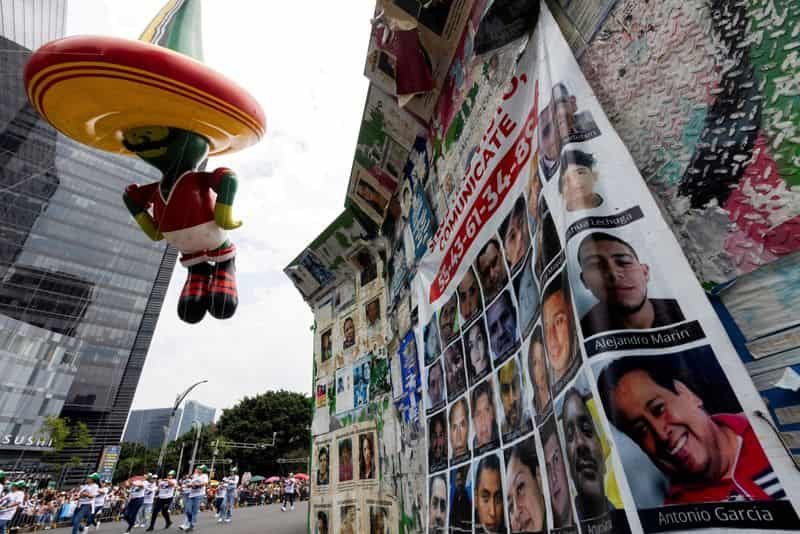
- Over 135,000 people are missing in Mexico, a figure that has surged since 2006.
- Protests related to pension reforms and salary increases have occurred.
- Core inflation in Mexico remains above the central bank's target.
Mexico City is enhancing security and limiting crowds at public viewing areas following the deaths of four fans during recent World Cup celebrations. The city is preparing for a crucial last-16 World Cup match between co-hosts Mexico and England, with large screens erected along the Paseo de Reforma. However, these preparations are juxtaposed with reminders of the country's ongoing domestic issues, including over 135,000 missing people since 2006 and persistent economic hardship.
While many Mexicans are enjoying the national team's unbeaten run in the World Cup, some are grappling with the dilemma of celebrating patriotic joy amidst economic struggles and civil unrest. Podcaster Carlos Mendoza noted that national team victories provide a temporary 'dopamine rush' that allows people to avoid uncomfortable realities, such as allegations of collusion between politicians and drug traffickers. He added that once the tournament ends, these issues remain.
Despite a recent slowdown in inflation, Mexico's core inflation rate is still above the Bank of Mexico's target of 3%. High ticket prices for the World Cup finals have also been a barrier for fans. Protests have occurred in the city, with some groups, like the CNTE teachers' union, demanding government action on pension reforms and salary increases. Local politician Rodrigo Cordera suggested that people can enjoy football while also being critical of politics and societal issues.
President Claudia Sheinbaum maintains a strong approval rating of 69%. Her government states that locating missing people is a national priority. Residents like Alejandra Gonzalez commented that the tournament does not resolve troubles but lowers their priority, allowing the government to delay decisions. She hopes for a positive national moment but stresses the need for critical thinking about inequalities and government inconsistencies.