Key facts
- Iran is holding a six-day funeral ceremony for Supreme Leader Ali Khamenei, who died in a February attack.
- Millions are expected to attend the funeral, which aims to display national unity and resilience.
- International dignitaries, including representatives from China, Pakistan, and India, will attend.
- The funeral events include processions in Tehran and visits to holy cities in Iraq.
- Mojtaba Khamenei, the likely successor, is not expected to attend due to injuries from the same attack.
- Security is heightened, with military on alert and airspace closures planned.
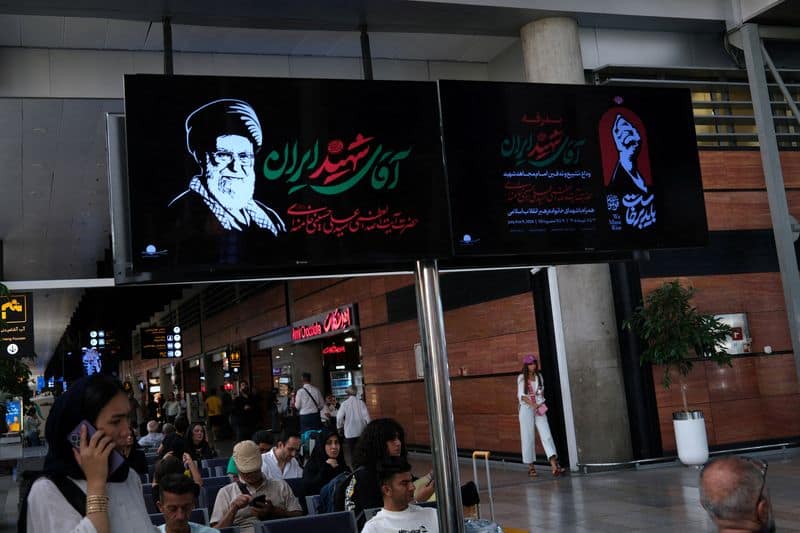
Tehran is preparing for a six-day funeral ceremony for Iran's Supreme Leader Ali Khamenei, who was killed in a US-Israeli attack in February. The funeral, beginning Saturday and concluding with burial on Thursday in Mashhad, is intended as a significant display of national mourning, power, and cohesion, with an estimated 20 million people expected to attend.
Mohammad Reza Aref, Iran's first vice-president and lead funeral organizer, described the event as "the most important event of this century" and the largest gathering since the 1979 revolution. The scale of the funeral is designed to convey political and religious messages of resistance globally. The body of Khamenei will also be carried through the Iraqi Shia cities of Karbala and Najaf at the request of Iraqi politicians.
Despite posters of Khamenei's son and successor, Mojtaba Khamenei, the latter is not expected to appear publicly due to severe injuries sustained in the same attack that killed his father and other family members. Mojtaba has issued written statements, including one distancing himself from ceasefire negotiations while sanctioning their continuation. Israel's defense minister, Israel Katz, has threatened Mojtaba, prompting hardliners to call for a re-examination of Iran's stance on nuclear weapons.
Mohammad Bagher Ghalibaf, Iran's chief negotiator and speaker of parliament, urged a massive turnout to convey the nation's call for vengeance against oppression. A six-mile procession through central Tehran is planned for Monday, which the mayor of Tehran described as "the largest gathering in the city's history." Khamenei's body will also visit the holy city of Qom on Tuesday before traveling to Iraq.
Security is heightened, with military on high alert, police roadblocks, and airspace closures planned for Monday. Officials have closed government and private offices in Tehran from Saturday to Monday. The funeral is taking place during a 60-day ceasefire with the US, intended to reopen the Strait of Hormuz and facilitate talks. Representatives from approximately 30 countries are expected at a separate ceremony for foreign leaders on Friday, though no European or US leaders were invited, with Iran's foreign ministry spokesperson accusing European countries of being on the "wrong side of history."