Key facts
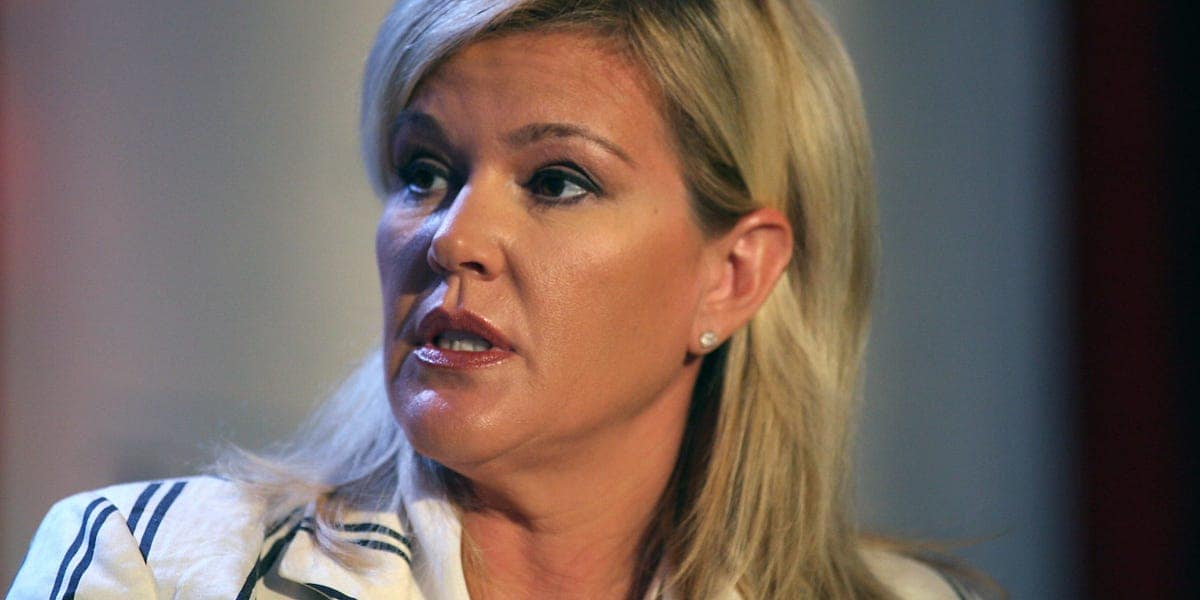
- Meredith Whitney, "Oracle of Wall Street," says high gas prices are impacting high-income Americans.
- Credit card spending patterns have diverged from gas prices, indicating a shift in affluent household behavior.
- The national average gas price was $4.43 per gallon on Wednesday.
- Higher energy costs are estimated to cost the average US household an additional $927 per month.
- Higher oil prices are contributing to inflation fears and expectations of higher interest rates.
Meredith Whitney, a Wall Street forecaster, has indicated that the economic strain from elevated gas prices is now affecting high-income Americans. Whitney, known for predicting the 2008 housing crisis, observed a recent divergence between credit card balances and gas prices, a pattern that previously showed a near one-to-one correlation. This shift suggests that even affluent households are becoming more cost-conscious.
Whitney stated that this divergence over the past three weeks signifies that higher-income households are making spending adjustments due to the psychological impact of gas prices exceeding $4 per gallon. This comes as oil prices have climbed again, with Brent crude reaching as high as $109 a barrel this month, driven by supply disruptions in the Middle East and a lack of progress in US-Iran peace talks.
The national average price for a gallon of regular unleaded gasoline stood at $4.43 on Wednesday, a notable increase from last year's average of $3.15. Brown University estimates that higher energy costs stemming from the Iran conflict have added approximately $927 per month to the average US household's expenses.
Furthermore, Whitney suggested that rising oil prices are fueling inflation concerns, prompting market expectations of higher interest rates. This could lead to increased borrowing costs for individuals with strong credit histories. The 10-year US Treasury yield, a benchmark for borrowing costs, was around 5.23% on Wednesday, nearing its peak from the Great Financial Crisis. Whitney commented that credit lines are likely to become more expensive overall.
The concept of a "K-shaped" economy, where lower-income individuals struggle while high earners thrive, has gained traction amid soaring energy prices. Economists are increasingly concerned that consumers in the upper segment of the economy might reduce their spending, which has been a crucial support for the US economy. Whitney noted that lower-income households have already made cutbacks, with grocery spending remaining flat or declining compared to the previous year. A recent survey by Primerica found that 71% of middle-income Americans felt their income was not keeping pace with the cost of living, and 74% described their ability to save for the future as poor.