Key facts
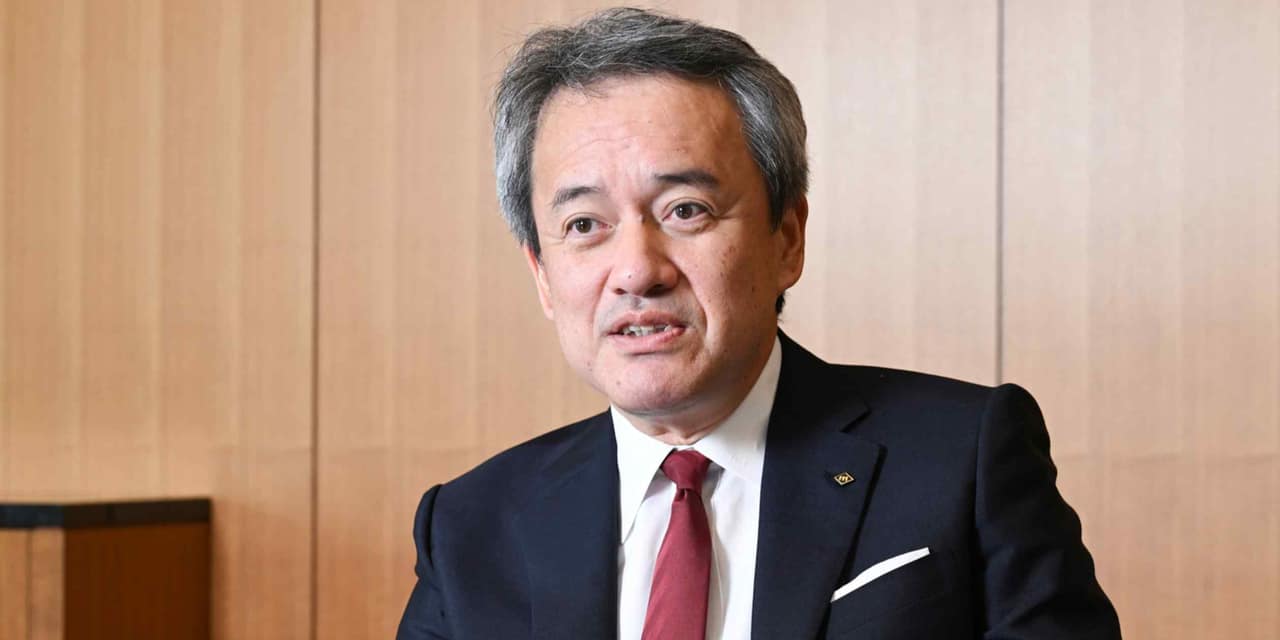
- Marubeni President Masayuki Omoto stated the company is emulating Berkshire Hathaway's strategy of careful observation and opportunistic investment.
- The company is focusing on long-term growth domains and strategic platform businesses rather than chasing short-term trends.
- Marubeni's shares have risen 660% since February 2021, reaching a ¥10 trillion market cap in February 2026.
- The company plans significant investment in strategic platform businesses, which yield higher returns on invested capital.
- Despite overall profit growth, Marubeni's energy and chemicals segment experienced a profit decline.
Japanese trading house Marubeni is adopting a long-term investment strategy, inspired by Berkshire Hathaway, focusing on sustainable growth domains rather than speculative trends, according to President Masayuki Omoto.
Since February 2021, Marubeni has experienced significant growth, with its share price increasing by 660% and its market capitalization reaching ¥10 trillion by February 2026. This performance is attributed to its ongoing reinvention over 168 years and its current Mid-term Management Strategy, GC2027. The strategy emphasizes building "strategic platform businesses" characterized by sustainable demand growth, high added value aligned with customer needs, and scalability. Marubeni plans to invest ¥1.2 trillion of its ¥1.7 trillion in new investments into these platforms, which currently yield 12% ROIC compared to the company-wide average of 8%. Additionally, ¥100 billion is allocated for long-term "seed planting" for growth beyond 2030.
For the fiscal year ending March 2026, Marubeni reported a record profit attributable to owners of 543.9 billion yen, an 8.1% year-on-year increase. However, this overall positive result was tempered by a significant profit decline of 63 billion yen in the energy and chemicals segment. The company has set quantitative targets for GC2027, including over 620 billion yen in cumulative consolidated net profit over three years, a 15% ROE, and a total return ratio of around 40% after shareholder returns. CFO Takayuki Furuya described the ¥10 trillion market cap milestone as a 'passing point,' indicating a policy of further increasing investment, particularly in six key growth businesses: agricultural materials, North American mobility, power wholesale and retail, aircraft aftermarket, food marketing and manufacturing, and IT/digital solutions.