Key facts
- Manila's Ninoy Aquino International Airport (NAIA) is undergoing major renovations to improve its services and reputation.
- The New NAIA Infrastructure Corporation (NNIC) consortium, led by San Miguel Corporation, is managing the overhaul.
- The 15-year concession deal is valued at 170.6 billion pesos (S$4 billion).
- Upgrades include new dining facilities, biometric e-gates for faster immigration, and increased passenger capacity.
- The airport aims to increase its annual capacity to 62 million passengers and improve air traffic movements.
Manila's Ninoy Aquino International Airport (NAIA) is undergoing a significant overhaul aimed at improving its infrastructure and services to overcome its long-standing reputation as one of the world's worst airports. The New NAIA Infrastructure Corporation (NNIC), a consortium led by San Miguel Corporation, took over management in September 2024 under a 15-year concession deal valued at 170.6 billion pesos (S$4 billion).
The consortium plans to nearly double the airport's annual passenger capacity to 62 million and increase air traffic movements from the current 30-40 per hour to 48. This expansion is driven by a rebound in air travel, with NAIA handling a record 50 million passengers in 2024.
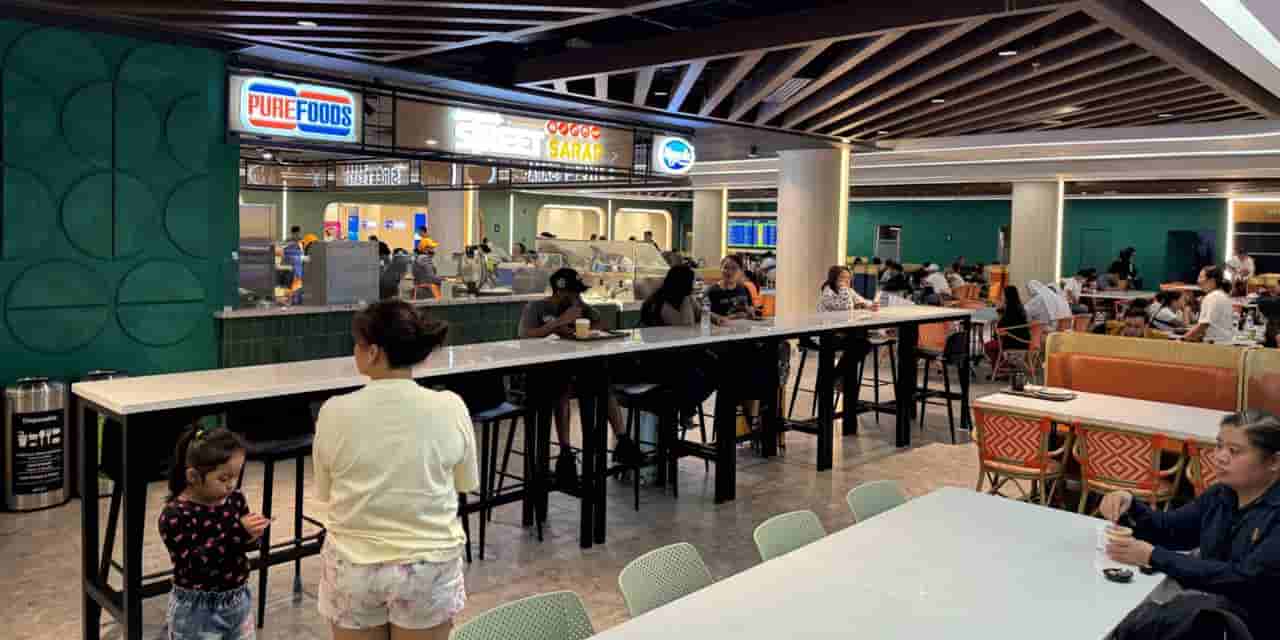
Recent improvements include the opening of a new food court in Terminal 3, a dedicated lounge for Filipino migrant workers, additional passenger boarding bridges, and a centralized ride-hailing and taxi hub at Terminal 3. Terminal 1's Arrivals Extension has also been renovated, featuring enhanced accessibility and a streamlined pickup area.
A key technological upgrade is the rollout of biometric e-gates in Terminals 1 and 3, which use facial recognition and passport scanning to reduce immigration processing times from up to 45 minutes to approximately 20 seconds for eligible passengers. Terminal 4 has been closed since November for renovations.
Despite these advancements, some travelers remain cautiously optimistic, noting that while improvements are visible, the airport still faces challenges such as connectivity to the city center via public transport. NNIC has plans to eventually link the airport to the Manila Subway, expected completion by 2027, and further upgrades to amenities like escalators, air-conditioning, and Wi-Fi are in the pipeline.