Key facts
- Malaysia will reduce subsidized diesel prices starting next month.
- Prime Minister Anwar Ibrahim cited confidence in diplomacy easing Middle East tensions as a factor.
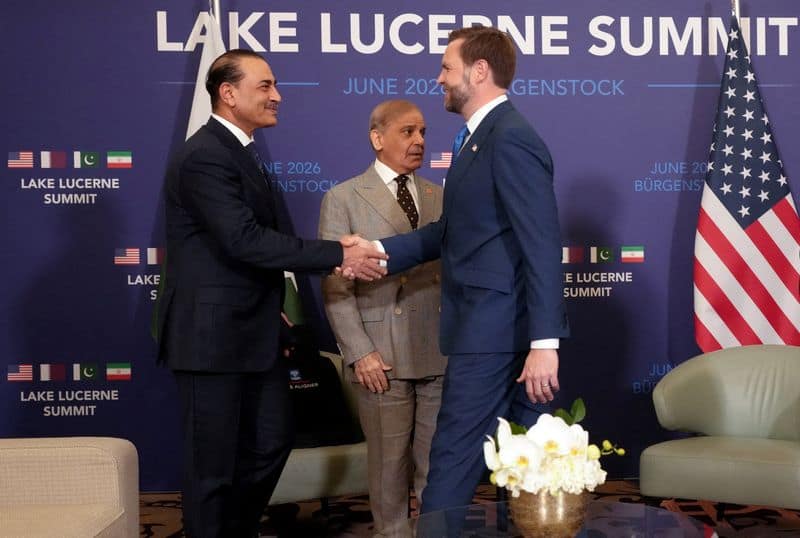
- Pakistani Prime Minister Shehbaz Sharif announced successful U.S.-Iran talks in Switzerland.
- The U.S. and Iran have agreed to a 60-day roadmap for a deal.
- Analysts are divided on whether Pakistan's diplomatic success will translate into significant economic benefits.
Malaysia is set to lower its subsidized diesel prices next month, a decision Prime Minister Anwar Ibrahim has tied to growing confidence in diplomatic efforts to de-escalate tensions in the Middle East and stabilize global energy markets. This move follows successful U.S.-Iran talks announced by Pakistani Prime Minister Shehbaz Sharif, who attended the negotiations in Switzerland along with army chief Field Marshal Asim Munir. The breakthrough in easing the Iran conflict has raised Pakistan's international profile, with analysts suggesting potential economic benefits such as increased regional integration and trade with Iran. However, many experts remain skeptical, emphasizing that Pakistan's deep-seated structural economic issues, including a narrow tax base and reliance on IMF bailouts, are unlikely to be resolved by diplomatic gains alone. They suggest Pakistan should focus on long-term structural reforms, technology transfer, and preferential market access rather than short-term financial concessions.