Key facts
- Residents in Ghandouriyeh, south Lebanon, are experiencing severe psychological distress due to ongoing conflict and displacement.
- MSF counselors have held 1,326 individual mental health sessions in southern Lebanon since March 2.
- Many residents are developing acute stress disorders, hypervigilance, and constant worry.
- The sound of Israeli drones has become a near-daily occurrence in villages like Ghandouriyeh.
- Some residents have returned to damaged homes due to unaffordability of renting elsewhere.
- Israel continues to fire beyond the yellow line into districts including Nabatieh and Tyre, despite a June ceasefire.
Residents in southern Lebanon, living near Israel's "Yellow Line," are experiencing significant psychological distress due to ongoing conflict, damage to homes, and constant threat of strikes. Many are developing acute stress disorders, hypervigilance, and sleep disturbances, according to medical professionals.
Mariam Ismail Ballout, a 66-year-old resident of Ghandouriyeh, described her home being destroyed and losing essential appliances. "All our houses are ruined, all our houses are on the ground, demolished," she told Middle East Eye. "My house burned down, meaning there's no washing machine, no refrigerator, nothing. There's no gas, nothing."
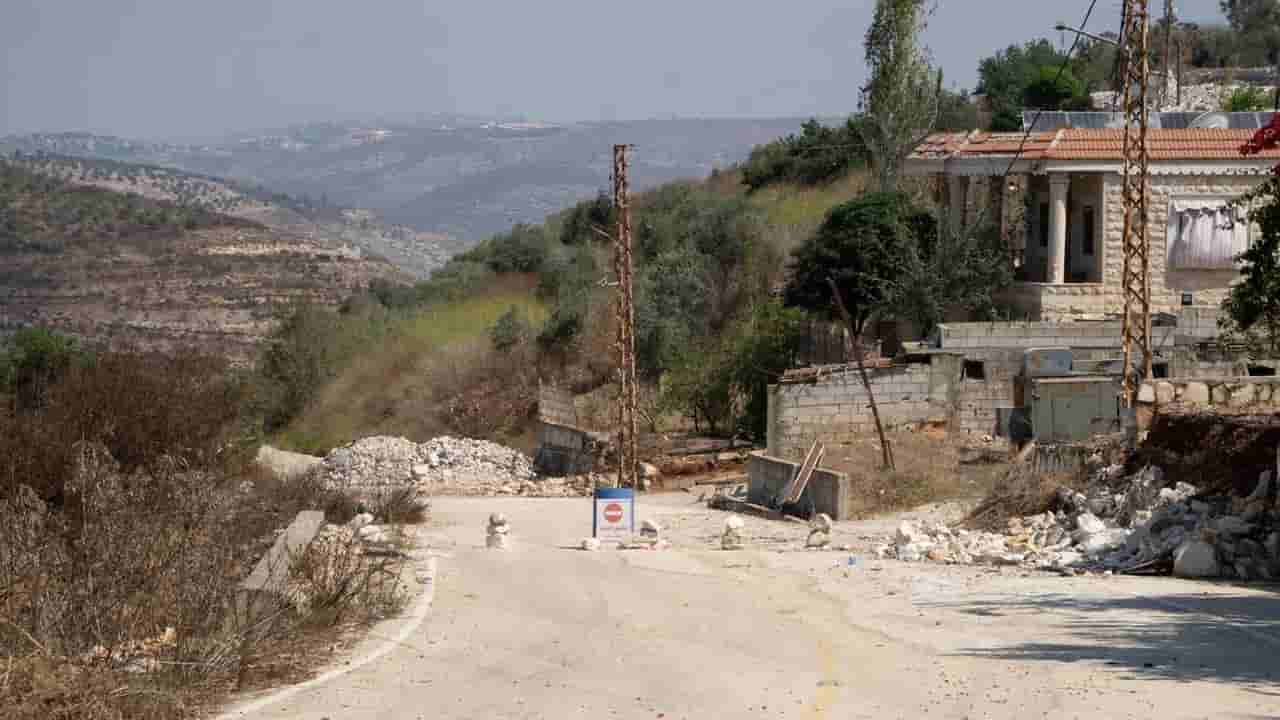
Despite the destruction, approximately 228 families have returned to Ghandouriyeh, according to Mayor Mohammed Ali Nader. Many cannot afford to rent elsewhere and live among the ruins of their homes. While direct strikes on the village have not occurred in months, the persistent presence of Israeli drones and the threat of air strikes keep residents on high alert.
Almas Al Andary, a counselor and clinical psychologist with Medecins Sans Frontieres (MSF), stated that the organization has seen a chronic increase in requests for psychological support. Since March 2, MSF counselors have conducted 1,326 individual mental health sessions in southern Lebanon. "We definitely see a lot of people having acute stress disorders. And these symptoms we can't formally diagnose because the crisis is still ongoing," Al Andary said.
Residents report intense responses to drones and air strikes, including tension, hypervigilance, fear, and constant worry. Sleep disorders are also prevalent, leading to increased medication use. The ongoing conflict, displacement, and loss of homes, livelihoods, and loved ones are significant triggers for these mental health issues.
Despite a US-brokered ceasefire in June, Israel continues to fire into districts like Nabatieh and Tyre. The Lebanese Army has intensified operations in southern areas not currently under occupation. Community health educators and MSF staff note that the stigma surrounding mental health is slowly decreasing, but the increasing desperation of the situation is also a factor in the rise of support requests.