Key facts
- Lebanon's fuel prices have doubled since the start of the US-Israel war on Iran.
- Fuel prices surged to almost $1.60 per liter in Lebanon this week.
- The Lebanese trade union federation urged the government to declare a state of economic emergency on Monday.
- The Federation of Bakery and Oven Trade Unions warned of a precarious situation for the bakery sector and the Lebanese people.
- Lebanon's economy is expected to contract by 6.4% in 2026, according to the World Bank.
- Public debt stands at 176.5% of GDP.
- The Lebanese currency has lost more than 98% of its value against the dollar since the 2019 financial collapse.
- The Ministry of Economy raised bread prices for the second time this year.
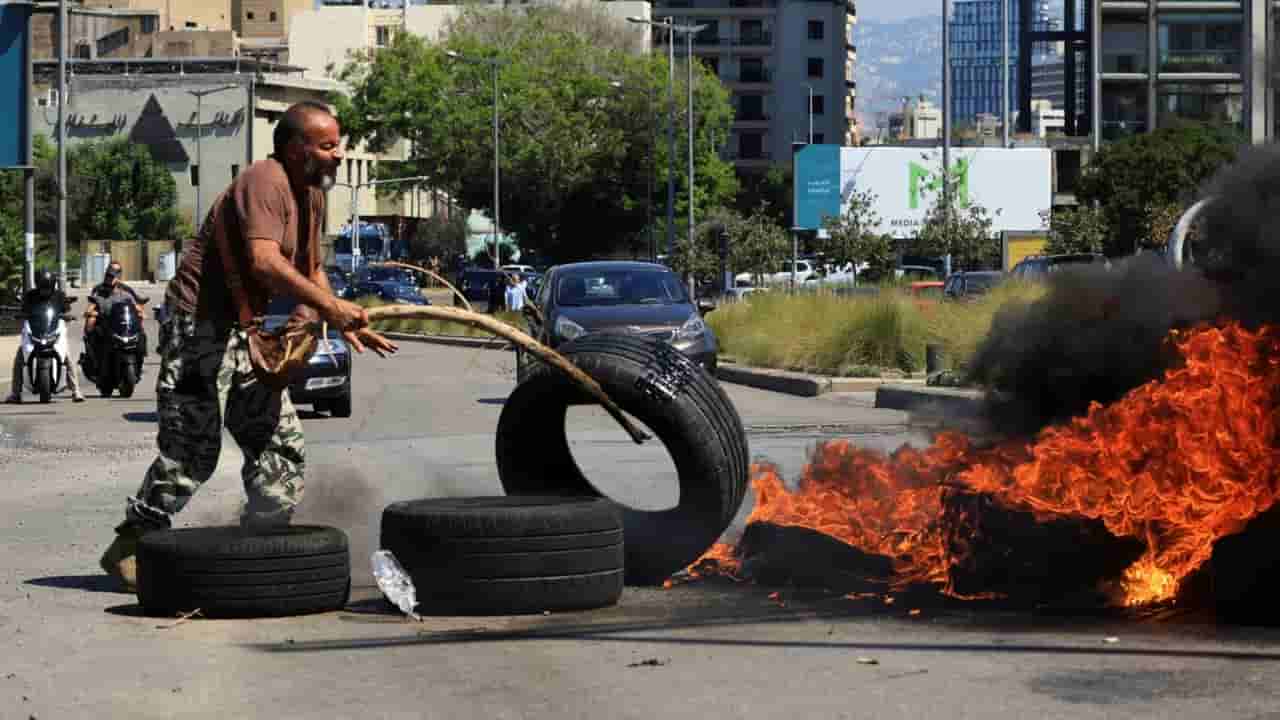
Lebanon is grappling with a severe cost-of-living crisis, exacerbated by soaring fuel prices that have doubled since the start of the US-Israel war on Iran. This surge has ignited public anger and renewed fears of social unrest, as residents struggle to afford basic necessities.
The Lebanese trade union federation has called for a state of economic emergency and threatened an open-ended general strike, demanding government action to alleviate the impact of rising prices. While President Joseph Aoun has acknowledged the unions' demands, the government's limited financial capacity poses a challenge to providing relief.
The economic situation in Lebanon has been further devastated by years of conflict and regional instability. The World Bank projects a 6.4% contraction in Lebanon's economy for 2026, following renewed fighting that shattered a modest recovery. The country's financial collapse in late 2019 led to bank defaults and significant losses, with public debt now at 176.5% of GDP. Inflation has remained in double digits for five consecutive years, and the Lebanese currency has lost over 98% of its value against the dollar since the crash, decimating purchasing power.
Individuals like Bassam, a truck driver, describe the situation as unbearable, with many unable to afford food or even a loaf of bread. Ihab Abou Zeineddine, a driver earning $600 per month, stated that his income is insufficient to cover basic needs, highlighting the widespread destitution. The Ministry of Economy has raised bread prices twice this year due to rising production costs, primarily driven by higher fuel prices, further straining the population. The Federation of Bakery and Oven Trade Unions has warned of the dire consequences for the bakery sector and the working class.